


(יג) וַיְהִי֙ מִֽמׇּחֳרָ֔ת וַיֵּ֥שֶׁב מֹשֶׁ֖ה לִשְׁפֹּ֣ט אֶת־הָעָ֑ם וַיַּעֲמֹ֤ד הָעָם֙ עַל־מֹשֶׁ֔ה מִן־הַבֹּ֖קֶר עַד־הָעָֽרֶב׃ (יד) וַיַּרְא֙ חֹתֵ֣ן מֹשֶׁ֔ה אֵ֛ת כׇּל־אֲשֶׁר־ה֥וּא עֹשֶׂ֖ה לָעָ֑ם וַיֹּ֗אמֶר מָֽה־הַדָּבָ֤ר הַזֶּה֙ אֲשֶׁ֨ר אַתָּ֤ה עֹשֶׂה֙ לָעָ֔ם מַדּ֗וּעַ אַתָּ֤ה יוֹשֵׁב֙ לְבַדֶּ֔ךָ וְכׇל־הָעָ֛ם נִצָּ֥ב עָלֶ֖יךָ מִן־בֹּ֥קֶר עַד־עָֽרֶב׃ (טו) וַיֹּ֥אמֶר מֹשֶׁ֖ה לְחֹתְנ֑וֹ כִּֽי־יָבֹ֥א אֵלַ֛י הָעָ֖ם לִדְרֹ֥שׁ אֱלֹהִֽים׃ (טז) כִּֽי־יִהְיֶ֨ה לָהֶ֤ם דָּבָר֙ בָּ֣א אֵלַ֔י וְשָׁ֣פַטְתִּ֔י בֵּ֥ין אִ֖ישׁ וּבֵ֣ין רֵעֵ֑הוּ וְהוֹדַעְתִּ֛י אֶת־חֻקֵּ֥י הָאֱלֹהִ֖ים וְאֶת־תּוֹרֹתָֽיו׃ (יז) וַיֹּ֛אמֶר חֹתֵ֥ן מֹשֶׁ֖ה אֵלָ֑יו לֹא־טוֹב֙ הַדָּבָ֔ר אֲשֶׁ֥ר אַתָּ֖ה עֹשֶֽׂה׃ (יח) נָבֹ֣ל תִּבֹּ֔ל גַּם־אַתָּ֕ה גַּם־הָעָ֥ם הַזֶּ֖ה אֲשֶׁ֣ר עִמָּ֑ךְ כִּֽי־כָבֵ֤ד מִמְּךָ֙ הַדָּבָ֔ר לֹא־תוּכַ֥ל עֲשֹׂ֖הוּ לְבַדֶּֽךָ׃ (יט) עַתָּ֞ה שְׁמַ֤ע בְּקֹלִי֙ אִיעָ֣צְךָ֔ וִיהִ֥י אֱלֹהִ֖ים עִמָּ֑ךְ הֱיֵ֧ה אַתָּ֣ה לָעָ֗ם מ֚וּל הָֽאֱלֹהִ֔ים וְהֵבֵאתָ֥ אַתָּ֛ה אֶת־הַדְּבָרִ֖ים אֶל־הָאֱלֹהִֽים׃ (כ) וְהִזְהַרְתָּ֣ה אֶתְהֶ֔ם אֶת־הַחֻקִּ֖ים וְאֶת־הַתּוֹרֹ֑ת וְהוֹדַעְתָּ֣ לָהֶ֗ם אֶת־הַדֶּ֙רֶךְ֙ יֵ֣לְכוּ בָ֔הּ וְאֶת־הַֽמַּעֲשֶׂ֖ה אֲשֶׁ֥ר יַעֲשֽׂוּן׃ (כא) וְאַתָּ֣ה תֶחֱזֶ֣ה מִכׇּל־הָ֠עָ֠ם אַנְשֵׁי־חַ֜יִל יִרְאֵ֧י אֱלֹהִ֛ים אַנְשֵׁ֥י אֱמֶ֖ת שֹׂ֣נְאֵי בָ֑צַע וְשַׂמְתָּ֣ עֲלֵהֶ֗ם שָׂרֵ֤י אֲלָפִים֙ שָׂרֵ֣י מֵא֔וֹת שָׂרֵ֥י חֲמִשִּׁ֖ים וְשָׂרֵ֥י עֲשָׂרֹֽת׃ (כב) וְשָׁפְט֣וּ אֶת־הָעָם֮ בְּכׇל־עֵת֒ וְהָיָ֞ה כׇּל־הַדָּבָ֤ר הַגָּדֹל֙ יָבִ֣יאוּ אֵלֶ֔יךָ וְכׇל־הַדָּבָ֥ר הַקָּטֹ֖ן יִשְׁפְּטוּ־הֵ֑ם וְהָקֵל֙ מֵֽעָלֶ֔יךָ וְנָשְׂא֖וּ אִתָּֽךְ׃ (כג) אִ֣ם אֶת־הַדָּבָ֤ר הַזֶּה֙ תַּעֲשֶׂ֔ה וְצִוְּךָ֣ אֱלֹהִ֔ים וְיָֽכׇלְתָּ֖ עֲמֹ֑ד וְגַם֙ כׇּל־הָעָ֣ם הַזֶּ֔ה עַל־מְקֹמ֖וֹ יָבֹ֥א בְשָׁלֽוֹם׃ (כד) וַיִּשְׁמַ֥ע מֹשֶׁ֖ה לְק֣וֹל חֹתְנ֑וֹ וַיַּ֕עַשׂ כֹּ֖ל אֲשֶׁ֥ר אָמָֽר׃
(13) Next day, Moses sat as magistrate among the people, while the people stood about Moses from morning until evening. (14) But when Moses’ father-in-law saw how much he had to do for the people, he said, “What is this thing that you are doing to the people? Why do you act alone, while all the people stand about you from morning until evening?” (15) Moses replied to his father-in-law, “It is because the people come to me to inquire of God. (16) When they have a dispute, it comes before me, and I decide between one person and another, and I make known the laws and teachings of God.” (17) But Moses’ father-in-law said to him, “The thing you are doing is not right; (18) you will surely wear yourself out, and these people as well. For the task is too heavy for you; you cannot do it alone. (19) Now listen to me. I will give you counsel, and God be with you! You represent the people before God: you bring the disputes before God, (20) and enjoin upon them the laws and the teachings, and make known to them the way they are to go and the practices they are to follow. (21) You shall also seek out from among all the people capable men who fear God, trustworthy men who spurn ill-gotten gain. Set these over them as chiefs of thousands, hundreds, fifties, and tens, (22) and let them judge the people at all times. Have them bring every major dispute to you, but let them decide every minor dispute themselves. Make it easier for yourself by letting them share the burden with you. (23) If you do this—and God so commands you—you will be able to bear up; and all these people too will go home unwearied.” (24) Moses heeded his father-in-law and did just as he had said.
Naomi Levy
True rest doesn’t affect us only when we are resting. It spills over into our weeks, our years, our very lives. The days preceding the day of rest become days of excitement and expectation. Even the most harried workdays become tolerable when you know a day or holy peace is shortly arriving. The days succeeding the day of rest become days of light, too. They shimmer with the afterglow of a revived spirit.
True rest gives us a completely different perspective on all of life’s difficulties. It allows us to heal, to reflect, to give thanks, and to face whatever lies ahead with a renewed sense of calm.
כׇּל הַשִּׁיעוּרִין כּוּלָּן בִּכְזַיִת, חוּץ מִטּוּמְאַת אוֹכָלִין, שֶׁשִּׁינָּה הַכָּתוּב בְּמַשְׁמָעָן, וְשִׁינּוּ חֲכָמִים בְּשִׁיעוּרָן. וּרְאָיָה לַדָּבָר — יוֹם הַכִּפּוּרִים. מַאי שִׁינָּה הַכָּתוּב בְּמַשְׁמָעוֹ — מִ״לֹּא תְעוּנֶּה״, וּמַאי שִׁינּוּ חֲכָמִים בְּשִׁיעוּרֵיהּ — כְּכוֹתֶבֶת. וּמַאי רְאָיָה לַדָּבָר יוֹם הַכִּפּוּרִים? דְּאִי מֵהָתָם, הֲוָה אָמֵינָא: אוֹרְחָא דִקְרָא הוּא. טוּמְאַת אוֹכָלִין כְּבֵיצָה מְנָלַן? אָמַר רַבִּי אֲבָהוּ אָמַר רַבִּי אֶלְעָזָר: דְּאָמַר קְרָא: ״מִכׇּל הָאוֹכֶל אֲשֶׁר יֵאָכֵל״, אוֹכֶל הַבָּא מֵחֲמַת אוֹכֶל, וְאֵיזֶה — זֶה בֵּיצַת תַּרְנְגוֹלֶת. וְאֵימָא גְּדִי! מְחוּסָּר שְׁחִיטָה. וְאֵימָא בֶּן פְּקוּעָה! טָעוּן קְרִיעָה. וְאֵימָא בֵּיצַת בַּר יוֹכָנִי! תָּפַסְתָּ מְרוּבֶּה לֹא תָּפַסְתָּ, תָּפַסְתָּ מוּעָט תָּפַסְתָּ. וְאֵימָא בֵּיעֲתָא דְּצִיפַּורְתָּא דְּזוּטַר טוּבָא! רַבִּי אֲבָהוּ דִּידֵיהּ, אָמַר: ״מִכׇּל הָאוֹכֶל אֲשֶׁר יֵאָכֵל״, אוֹכֶל שֶׁאַתָּה אוֹכְלוֹ בְּבַת אַחַת. וְשִׁיעֲרוּ חֲכָמִים: אֵין בֵּית הַבְּלִיעָה מַחֲזִיק יוֹתֵר מִבֵּיצַת תַּרְנְגוֹלֶת. אָמַר רַבִּי אֶלְעָזָר: הָאוֹכֵל חֵלֶב בִּזְמַן הַזֶּה צָרִיךְ שֶׁיִּכְתּוֹב לוֹ שִׁיעוּר, שֶׁמָּא יָבֹא בֵּית דִּין אַחֵר וְיַרְבֶּה בְּשִׁיעוּרִין. מַאי יַרְבֶּה בְּשִׁיעוּרִין? אִי נֵימָא דִּמְחַיְּיבִי קׇרְבָּן אַכַּזַּיִת קָטָן, וְהָתַנְיָא: ״אֲשֶׁר לֹא תֵעָשֶׂינָה בִּשְׁגָגָה וְאָשֵׁם״, הַשָּׁב מִידִיעָתוֹ — מֵבִיא קׇרְבָּן עַל שִׁגְגָתוֹ. לֹא שָׁב מִידִיעָתוֹ — אֵין מֵבִיא קׇרְבָּן עַל שִׁגְגָתוֹ. אֶלָּא: דְּלָא מְחַיְּיבִי קׇרְבָּן עַד דְּאִיכָּא כְּזַיִת גָּדוֹל. וּלְמַאי דִּסְלֵיק אַדַּעְתִּין מֵעִיקָּרָא דִּמְחַיְּיבִי קׇרְבָּן אַכַּזַּיִת קָטָן, מַאי ״יַרְבֶּה בְּשִׁיעוּרִין״? שֶׁמָּא יַרְבֶּה בְּקׇרְבָּנוֹת מֵחֲמַת שִׁיעוּרִין. אָמַר רַבִּי יוֹחָנָן: שִׁיעוּרִין וָעוֹנָשִׁין הֲלָכָה לְמֹשֶׁה מִסִּינַי. עוֹנָשִׁין מִכְתָּב כְּתִיבִי! אֶלָּא הָכִי קָאָמַר: (אָמַר רַבִּי יוֹחָנָן:) שִׁיעוּרִים שֶׁל עוֹנָשִׁין — הֲלָכָה לְמֹשֶׁה מִסִּינַי. תַּנְיָא נָמֵי הָכִי: שִׁיעוּרִין שֶׁל עוֹנָשִׁין הֲלָכָה לְמֹשֶׁה מִסִּינַי. אֲחֵרִים אוֹמְרִים: בֵּית דִּינוֹ שֶׁל יַעְבֵּץ תִּיקְּנוּם. וְהָכְתִיב: ״אֵלֶּה הַמִּצְוֹת״, שֶׁאֵין נָבִיא רַשַּׁאי לְחַדֵּשׁ דָּבָר מֵעַתָּה! אֶלָּא, שְׁכָחוּם וְחָזְרוּ וְיִסְּדוּם. הַשּׁוֹתֶה מְלֹא לוּגְמָיו. אָמַר רַב יְהוּדָה אָמַר שְׁמוּאֵל: לֹא מְלֹא לוּגְמָיו מַמָּשׁ, אֶלָּא כׇּל שֶׁאִילּוּ יְסַלְּקֶנּוּ לְצַד אֶחָד וְיֵרָאֶה כִּמְלֹא לוּגְמָיו. וְהָא אֲנַן תְּנַן ״מְלֹא לוּגְמָיו״! אֵימָא: ״כִּמְלֹא לוּגְמָיו״. מֵיתִיבִי: כַּמָּה יִשְׁתֶּה וִיהֵא חַיָּיב? בֵּית שַׁמַּאי אוֹמְרִים: רְבִיעִית, וּבֵית הִלֵּל אוֹמְרִים: מְלֹא לוּגְמָיו. רַבִּי יְהוּדָה אוֹמֵר מִשּׁוּם רַבִּי אֱלִיעֶזֶר: כִּמְלֹא לוּגְמָיו. רַבִּי יְהוּדָה בֶּן בְּתֵירָא אוֹמֵר: כְּדֵי גְמִיעָה. מִי עֲדִיפָא מִמַּתְנִיתִין דְּאוֹקֵימְנָא כְּדֵי שֶׁיֵּרָאֶה, הָכִי נָמֵי כְּדֵי שֶׁיֵּרָאֶה! אִי הָכִי, הַיְינוּ רַבִּי אֱלִיעֶזֶר! אִיכָּא בֵּינַיְיהוּ מְלֹא לוּגְמָיו דָּחוּק. מַתְקֵיף לַהּ רַב הוֹשַׁעְיָא: אִם כֵּן, הָוֵה לֵיהּ מִקּוּלֵּי בֵּית שַׁמַּאי וּמֵחוּמְרֵי בֵּית הִלֵּל! אֲמַר לֵיהּ:
If you take on too much, you have taken on nothing.
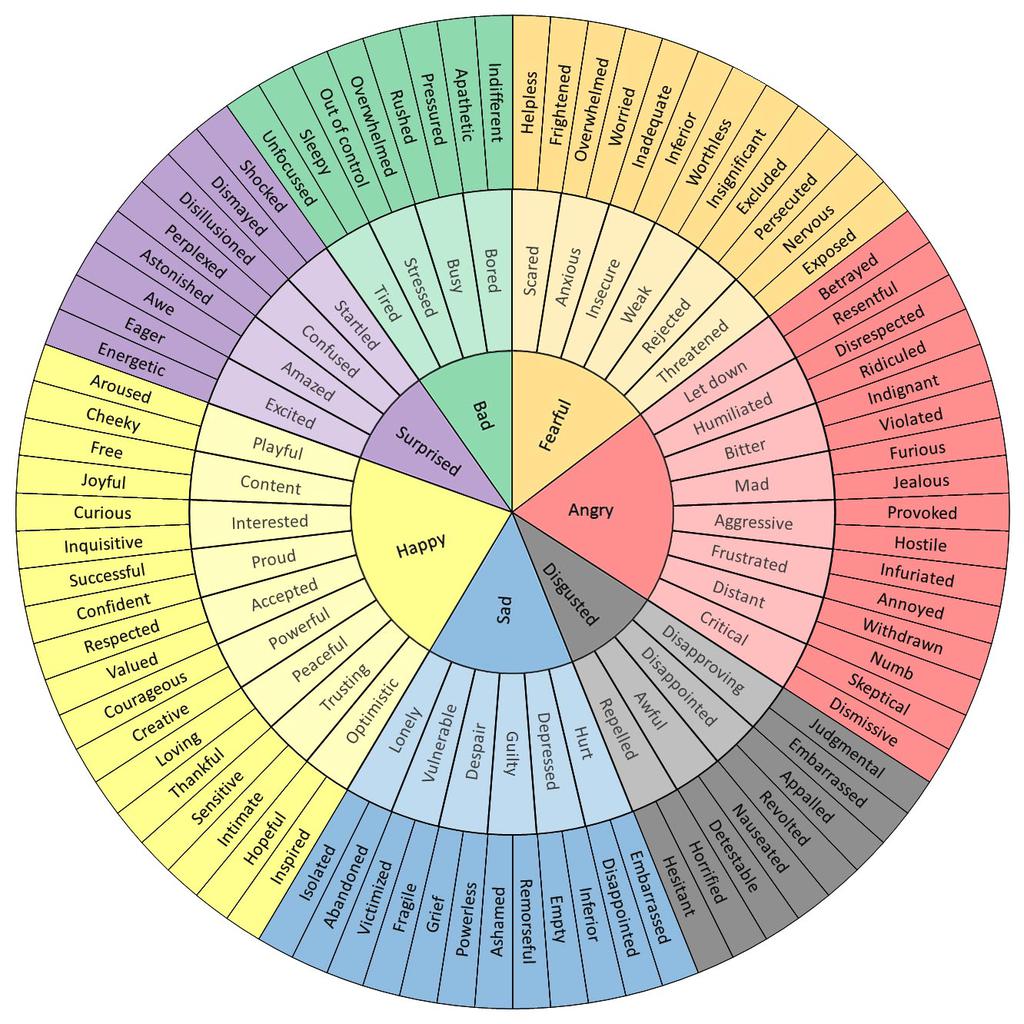
״דְּאָגָה בְלֶב אִישׁ יַשְׁחֶנָּה״, רַבִּי אַמֵּי וְרַבִּי אַסִּי, חַד אָמַר: יַשִּׂחֶנָּה מִדַּעְתּוֹ, וְחַד אָמַר: יְשִׂיחֶנָּה לַאֲחֵרִים.
§ The Gemara explains another verse in Proverbs: “If there is care in a man’s heart, let him quash it [yashḥena]” (Proverbs 12:25). Rabbi Ami and Rabbi Asi dispute the verse’s meaning. One said: He should forcefully push it [yasḥena] out of his mind. One who worries should banish his concerns from his thoughts. And one said: It means he should tell [yesiḥena] others his concerns, which will lower his anxiety.