


Havurat Shalom
(ד) מָזְגוּ לוֹ כוֹס שֵׁנִי, ... מַתְחִיל בִּגְנוּת וּמְסַיֵּם בְּשֶׁבַח...:
(4) They pour the second cup....Begin with disgrace and conclude with praise.
Skip to 1:33 in the video
Biography
Qafih was born in 1917 in Sana’a in Yemen. [http://www.chayas.com/rabbi.htm] His father was Rabbi David Qafih. The Kabbalists in Yemen told the Muslim authorities that his father and grandfather were plotting against them; the two were arrested along with several of the founding circle of Dor Daim. The Kabbalists paid the Yemeni police who held them in prison to beat them severely, and after they were released a wound Rabbi David received in his belly festered. He died when his son was one year old. At the age of five Rabbi Yosef lost his mother, and was raised by and learned Torah with his grandfather Rabbi Yihyeh Qafih. When Yosef was 14 his grandfather died and he inherited his position as rabbinic authority and teacher of the Sana’a community. At the age of 15 Kabbalist enemies of his grandfather informed the authorities that there was a Jewish orphan which by Yemeni law could be forcibly converted to Islam; only the intervention of the king of Yemen saved him, by granting him a legal loophole: he married his 11 year old cousin. In his early years he worked as a silversmith.
In 1943 he immigrated to Palestine, studied at the Merkaz HaRav yeshivah and qualified as a dayan at the Harry Fischel Institute. In 1950 he was appointed as a dayan in the Jerusalem district court, and later was appointed as a dayan at the Supreme Rabbinical Court. He was a member of the Chief Rabbinate Council of Israel, and presided over the Yemenite community in Jerusalem. He died on July 20, 2000 at the age of 82.
Scholarship
His main work in the field of Torah literature was his translation and publication of manuscripts of numerous works by Sephardic Rishonim, including the Emunot ve-Deot of Saadia Gaon, the Kuzari by Judah ha-Levi, the Duties of the Heart by Bahya ibn Pakuda and many other works in Judaeo-Arabic. The prime place in his oeuvre is reserved for the writings of Maimonides: he translated the Guide for the Perplexed, the Commentary on the Mishnah and the Sefer Hamitzvot and edited a 24-volume set of the Mishneh Torah. His works and translations received recognition from the academic world.
He wrote and studied extensively on the heritage of Yemenite Jews.
He published a book under the title of “Halichot Teman”, and edited the “Shivat Tzion” "tiklal", a Yemenite prayer book reflecting the views of Maimonides in three volumes. In 1993 he published a new version under the title of “Siach Yerushalayim” in four volumes (most other editions now have six).
In the "Az Yashir" section for weekday shacharit (p. 18) of Tiklal Shivat Tzion, Rabbi Kapach adds the following note:
"It is an ancient custom to also say, 'va-tikach Miriam etc', and Miram took etc, to also commemorate what Miriam the Prophetess sang, and in order to arouse her merit along with that of the righteous women who were with her [at the sea]."
Often it's the midrashic interpretations of the three core verses (transplanted from the verses that everyone already knew from the formula recited over Bikurim, the First Fruits, at Shavuot). The literarly technique of citing another verse to explain each brief phrase from those verses doesn't catch people's attention the same way as other parts of the Haggadah.
Let's look at just one of those two word phrases, from the following pasuk:
וַיּוֹצִאֵנוּ ה' מִמִצְרַיִם בְּיָד חֲזָקָה, וּבִזְרֹעַ נְטוּיָה, וּבְמֹרָא גָּדֹל, וּבְאֹתוֹת וּבְמֹפְתִים.
"And the Lord took us out of Egypt with a strong hand and with an outstretched forearm and with great awe and with signs and with wonders" (Deuteronomy 26:8).
וּבִזְרֹעַ נְטוּיָה. זוֹ הַחֶרֶב, כְּמָה שֶּׁנֶּאֱמַר: וְחַרְבּוֹ שְׁלוּפָה בְּיָדוֹ, נְטוּיָה עַל־יְרוּשָלָיִם.
"And with an outstretched forearm" - this [refers to] the sword, as it is stated (I Chronicles 21:16); "And his sword was drawn in his hand, leaning over Jerusalem."
(I) The original context for this midrashic "explanation" has nothing to do with Pesach. And the full context of the proof-text is shockingly violent, with further catastrophe just barely avoided:
וַיִּשָּׂ֨א דָוִ֜יד אֶת־עֵינָ֗יו וַיַּ֞רְא אֶת־מַלְאַ֤ךְ יְהֹוָה֙ עֹמֵ֗ד בֵּ֤ין הָאָ֙רֶץ֙ וּבֵ֣ין הַשָּׁמַ֔יִם וְחַרְבּ֤וֹ שְׁלוּפָה֙ בְּיָד֔וֹ נְטוּיָ֖ה עַל־יְרוּשָׁלָ֑͏ִם וַיִּפֹּ֨ל דָּוִ֧יד וְהַזְּקֵנִ֛ים מְכֻסִּ֥ים בַּשַּׂקִּ֖ים עַל־פְּנֵיהֶֽם׃
David looked up and saw the angel of the LORD standing between heaven and earth, with a drawn sword in his hand stretched out against Jerusalem. David and the elders, covered in sackcloth, threw themselves on their faces.
(ט) וַיְדַבֵּ֤ר יְהֹוָה֙ אֶל־גָּ֔ד חֹזֵ֥ה דָוִ֖יד לֵאמֹֽר׃ (י) לֵךְ֩ וְדִבַּרְתָּ֨ אֶל־דָּוִ֜יד לֵאמֹ֗ר כֹּ֚ה אָמַ֣ר יְהֹוָ֔ה שָׁל֕וֹשׁ אֲנִ֖י נֹטֶ֣ה עָלֶ֑יךָ בְּחַר־לְךָ֛ אַחַ֥ת מֵהֵ֖נָּה וְאֶעֱשֶׂה־לָּֽךְ׃ (יא) וַיָּ֥בֹא גָ֖ד אֶל־דָּוִ֑יד וַיֹּ֥אמֶר ל֛וֹ כֹּה־אָמַ֥ר יְהֹוָ֖ה קַבֶּל־לָֽךְ׃ (יב) אִם־שָׁל֨וֹשׁ שָׁנִ֜ים רָעָ֗ב וְאִם־שְׁלֹשָׁ֨ה חֳדָשִׁ֜ים נִסְפֶּ֥ה מִפְּנֵי־צָרֶ֘יךָ֮ וְחֶ֣רֶב אוֹיְבֶ֣יךָ ׀ לְמַשֶּׂ֒גֶת֒ וְאִם־שְׁלֹ֣שֶׁת יָ֠מִ֠ים חֶ֣רֶב יְהֹוָ֤ה וְדֶ֙בֶר֙ בָּאָ֔רֶץ וּמַלְאַ֣ךְ יְהֹוָ֔ה מַשְׁחִ֖ית בְּכׇל־גְּב֣וּל יִשְׂרָאֵ֑ל וְעַתָּ֣ה רְאֵ֔ה מָֽה־אָשִׁ֥יב אֶת־שֹׁלְחִ֖י דָּבָֽר׃ {ס} (יג) וַיֹּ֧אמֶר דָּוִ֛יד אֶל־גָּ֖ד צַר־לִ֣י מְאֹ֑ד אֶפְּלָה־נָּ֣א בְיַד־יְהֹוָ֗ה כִּֽי־רַבִּ֤ים רַחֲמָיו֙ מְאֹ֔ד וּבְיַד־אָדָ֖ם אַל־אֶפֹּֽל׃ (יד) וַיִּתֵּ֧ן יְהֹוָ֛ה דֶּ֖בֶר בְּיִשְׂרָאֵ֑ל וַיִּפֹּל֙ מִיִּשְׂרָאֵ֔ל שִׁבְעִ֥ים אֶ֖לֶף אִֽישׁ׃ (טו) וַיִּשְׁלַח֩ הָאֱלֹהִ֨ים ׀ מַלְאָ֥ךְ ׀ לִירוּשָׁלַ֘͏ִם֮ לְהַשְׁחִיתָהּ֒ וּכְהַשְׁחִ֗ית רָאָ֤ה יְהֹוָה֙ וַיִּנָּ֣חֶם עַל־הָרָעָ֔ה וַיֹּ֨אמֶר לַמַּלְאָ֤ךְ הַמַּשְׁחִית֙ רַ֔ב עַתָּ֖ה הֶ֣רֶף יָדֶ֑ךָ וּמַלְאַ֤ךְ יְהֹוָה֙ עֹמֵ֔ד עִם־גֹּ֖רֶן אׇרְנָ֥ן הַיְבוּסִֽי׃ {ס} (טז) וַיִּשָּׂ֨א דָוִ֜יד אֶת־עֵינָ֗יו וַיַּ֞רְא אֶת־מַלְאַ֤ךְ יְהֹוָה֙ עֹמֵ֗ד בֵּ֤ין הָאָ֙רֶץ֙ וּבֵ֣ין הַשָּׁמַ֔יִם וְחַרְבּ֤וֹ שְׁלוּפָה֙ בְּיָד֔וֹ נְטוּיָ֖ה עַל־יְרוּשָׁלָ֑͏ִם וַיִּפֹּ֨ל דָּוִ֧יד וְהַזְּקֵנִ֛ים מְכֻסִּ֥ים בַּשַּׂקִּ֖ים עַל־פְּנֵיהֶֽם׃ (יז) וַיֹּ֣אמֶר דָּוִ֣יד אֶֽל־הָאֱלֹהִ֡ים הֲלֹא֩ אֲנִ֨י אָמַ֜רְתִּי לִמְנ֣וֹת בָּעָ֗ם וַאֲנִי־ה֤וּא אֲשֶׁר־חָטָ֙אתִי֙ וְהָרֵ֣עַ הֲרֵע֔וֹתִי וְאֵ֥לֶּה הַצֹּ֖אן מֶ֣ה עָשׂ֑וּ יְהֹוָ֣ה אֱלֹהַ֗י תְּהִ֨י נָ֤א יָֽדְךָ֙ בִּ֚י וּבְבֵ֣ית אָבִ֔י וּֽבְעַמְּךָ֖ לֹ֥א לְמַגֵּפָֽה׃ {ס} (יח) וּמַלְאַ֧ךְ יְהֹוָ֛ה אָמַ֥ר אֶל־גָּ֖ד לֵאמֹ֣ר לְדָוִ֑יד כִּ֣י ׀ יַעֲלֶ֣ה דָוִ֗יד לְהָקִ֤ים מִזְבֵּ֙חַ֙ לַֽיהֹוָ֔ה בְּגֹ֖רֶן אׇרְנָ֥ן הַיְבֻסִֽי׃ (יט) וַיַּ֤עַל דָּוִיד֙ בִּדְבַר־גָּ֔ד אֲשֶׁ֥ר דִּבֶּ֖ר בְּשֵׁ֥ם יְהֹוָֽה׃ (כ) וַיָּ֣שׇׁב אׇרְנָ֗ן וַיַּרְא֙ אֶת־הַמַּלְאָ֔ךְ וְאַרְבַּ֧עַת בָּנָ֛יו עִמּ֖וֹ מִֽתְחַבְּאִ֑ים וְאׇרְנָ֖ן דָּ֥שׁ חִטִּֽים׃ (כא) וַיָּבֹ֥א דָוִ֖יד עַד־אׇרְנָ֑ן וַיַּבֵּ֤ט אׇרְנָן֙ וַיַּ֣רְא אֶת־דָּוִ֔יד וַיֵּצֵא֙ מִן־הַגֹּ֔רֶן וַיִּשְׁתַּ֧חוּ לְדָוִ֛יד אַפַּ֖יִם אָֽרְצָה׃ (כב) וַיֹּ֨אמֶר דָּוִ֜יד אֶל־אׇרְנָ֗ן תְּנָה־לִּי֙ מְק֣וֹם הַגֹּ֔רֶן וְאֶבְנֶה־בּ֥וֹ מִזְבֵּ֖חַ לַֽיהֹוָ֑ה בְּכֶ֤סֶף מָלֵא֙ תְּנֵ֣הוּ לִ֔י וְתֵעָצַ֥ר הַמַּגֵּפָ֖ה מֵעַ֥ל הָעָֽם׃ (כג) וַיֹּ֨אמֶר אׇרְנָ֤ן אֶל־דָּוִיד֙ קַֽח־לָ֔ךְ וְיַ֛עַשׂ אֲדֹנִ֥י הַמֶּ֖לֶךְ הַטּ֣וֹב בְּעֵינָ֑יו רְאֵה֩ נָתַ֨תִּי הַבָּקָ֜ר לָעֹל֗וֹת וְהַמּוֹרִגִּ֧ים לָעֵצִ֛ים וְהַחִטִּ֥ים לַמִּנְחָ֖ה הַכֹּ֥ל נָתָֽתִּי׃ (כד) וַיֹּ֨אמֶר הַמֶּ֤לֶךְ דָּוִיד֙ לְאׇרְנָ֔ן לֹ֕א כִּֽי־קָנֹ֥ה אֶקְנֶ֖ה בְּכֶ֣סֶף מָלֵ֑א כִּ֠י לֹא־אֶשָּׂ֤א אֲשֶׁר־לְךָ֙ לַיהֹוָ֔ה וְהַעֲל֥וֹת עוֹלָ֖ה חִנָּֽם׃ (כה) וַיִּתֵּ֥ן דָּוִ֛יד לְאׇרְנָ֖ן בַּמָּק֑וֹם שִׁקְלֵ֣י זָהָ֔ב מִשְׁקָ֖ל שֵׁ֥שׁ מֵאֽוֹת׃ (כו) וַיִּ֩בֶן֩ שָׁ֨ם דָּוִ֤יד מִזְבֵּ֙חַ֙ לַֽיהֹוָ֔ה וַיַּ֥עַל עֹל֖וֹת וּשְׁלָמִ֑ים וַיִּקְרָא֙ אֶל־יְהֹוָ֔ה וַֽיַּעֲנֵ֤הוּ בָאֵשׁ֙ מִן־הַשָּׁמַ֔יִם עַ֖ל מִזְבַּ֥ח הָעֹלָֽה׃ {ס} (כז) וַיֹּ֤אמֶר יְהֹוָה֙ לַמַּלְאָ֔ךְ וַיָּ֥שֶׁב חַרְבּ֖וֹ אֶל־נְדָנָֽהּ׃ (כח) בָּעֵ֣ת הַהִ֔יא בִּרְא֤וֹת דָּוִיד֙ כִּֽי־עָנָ֣הוּ יְהֹוָ֔ה בְּגֹ֖רֶן אׇרְנָ֣ן הַיְבוּסִ֑י וַיִּזְבַּ֖ח שָֽׁם׃ (כט) וּמִשְׁכַּ֣ן יְ֠הֹוָ֠ה אֲשֶׁר־עָשָׂ֨ה מֹשֶׁ֧ה בַמִּדְבָּ֛ר וּמִזְבַּ֥ח הָעוֹלָ֖ה בָּעֵ֣ת הַהִ֑יא בַּבָּמָ֖ה בְּגִבְעֽוֹן׃ (ל) וְלֹא־יָכֹ֥ל דָּוִ֛יד לָלֶ֥כֶת לְפָנָ֖יו לִדְרֹ֣שׁ אֱלֹהִ֑ים כִּ֣י נִבְעַ֔ת מִפְּנֵ֕י חֶ֖רֶב מַלְאַ֥ךְ יְהֹוָֽה׃ {ס} (א) וַיֹּ֣אמֶר דָּוִ֔יד זֶ֣ה ה֔וּא בֵּ֖ית יְהֹוָ֣ה הָאֱלֹהִ֑ים וְזֶה־מִּזְבֵּ֥חַ לְעֹלָ֖ה לְיִשְׂרָאֵֽל׃ {פ}
(ב) וַיֹּ֣אמֶר דָּוִ֔יד לִכְנוֹס֙ אֶת־הַגֵּרִ֔ים אֲשֶׁ֖ר בְּאֶ֣רֶץ יִשְׂרָאֵ֑ל וַיַּעֲמֵ֣ד חֹצְבִ֗ים לַחְצוֹב֙ אַבְנֵ֣י גָזִ֔ית לִבְנ֖וֹת בֵּ֥ית הָאֱלֹהִֽים׃ (ג) וּבַרְזֶ֣ל ׀ לָ֠רֹ֠ב לַֽמִּסְמְרִ֞ים לְדַלְת֧וֹת הַשְּׁעָרִ֛ים וְלַֽמְחַבְּר֖וֹת הֵכִ֣ין דָּוִ֑יד וּנְחֹ֥שֶׁת לָרֹ֖ב אֵ֥ין מִשְׁקָֽל׃ (ד) וַעֲצֵ֥י אֲרָזִ֖ים לְאֵ֣ין מִסְפָּ֑ר כִּֽי הֵ֠בִ֠יאוּ הַצִּידֹנִ֨ים וְהַצֹּרִ֜ים עֲצֵ֧י אֲרָזִ֛ים לָרֹ֖ב לְדָוִֽיד׃ {פ}
(ה) וַיֹּ֣אמֶר דָּוִ֗יד שְׁלֹמֹ֣ה בְנִי֮ נַ֣עַר וָרָךְ֒ וְהַבַּ֜יִת לִבְנ֣וֹת לַֽיהֹוָ֗ה לְהַגְדִּ֨יל ׀ לְמַ֜עְלָה לְשֵׁ֤ם וּלְתִפְאֶ֙רֶת֙ לְכׇל־הָ֣אֲרָצ֔וֹת אָכִ֥ינָה נָּ֖א ל֑וֹ וַיָּ֧כֶן דָּוִ֛יד לָרֹ֖ב לִפְנֵ֥י מוֹתֽוֹ׃ (ו) וַיִּקְרָ֖א לִשְׁלֹמֹ֣ה בְנ֑וֹ וַיְצַוֵּ֙הוּ֙ לִבְנ֣וֹת בַּ֔יִת לַיהֹוָ֖ה אֱלֹהֵ֥י יִשְׂרָאֵֽל׃ {ס}
(II) How else can we extend the telling about וּבִזְרֹעַ נְטוּיָה ? We already have another interpretation, right on the seder table itself:
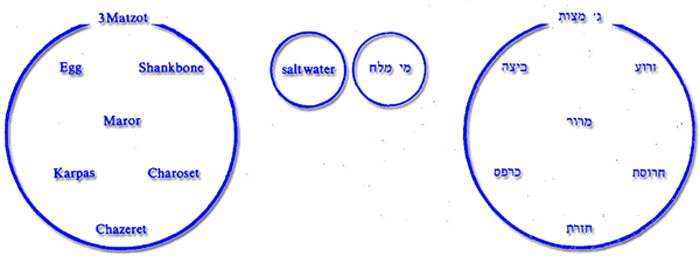
(III) Zeroah doesn't just mean shank-bone (or more anthropormorphically, "arm") for a paschal lamb. It means the forearm of a person too. Which leads to another midrashic alternative for וּבִזְרֹעַ נְטוּיָה :
(ד) וַתֵּתַצַּ֥ב אֲחֹת֖וֹ מֵרָחֹ֑ק לְדֵעָ֕ה מַה־יֵּעָשֶׂ֖ה לֽוֹ׃ (ה) וַתֵּ֤רֶד בַּת־פַּרְעֹה֙ לִרְחֹ֣ץ עַל־הַיְאֹ֔ר וְנַעֲרֹתֶ֥יהָ הֹלְכֹ֖ת עַל־יַ֣ד הַיְאֹ֑ר וַתֵּ֤רֶא אֶת־הַתֵּבָה֙ בְּת֣וֹךְ הַסּ֔וּף וַתִּשְׁלַ֥ח אֶת־אֲמָתָ֖הּ וַתִּקָּחֶֽהָ
(3) את אמתה means her handmaid. Our Rabbis, however, explained it in the sense of hand (cf. Sotah 12b) — but according to the grammar of the Holy Language it should then have been written אַמָּתָה , dageshed in the מ. — And the reason why they explained את אמתה to mean את ידה “she stretched forth her hand” is because they hold that Scripture intentionally uses this term to indicate that her hand increased in length several cubits (אמה, a cubit) in order that she might more easily reach the cradle.
--R. Sharon Cohen Anisfeld, 2003
(IV) We can also drash on the words themselves: the same letters as זְרֹעַ are the shoresh for seed or sowing. And if you add an ayin (silent for ashkenazim), then נְטוּיָה becomes "planting" or "shoots". Both these roots show up in seder-related contexts, here are two for each:
הָ֘ל֤וֹךְ יֵלֵ֨ךְ ׀ וּבָכֹה֮ נֹשֵׂ֢א מֶשֶׁךְ־הַ֫זָּ֥רַע בֹּא־יָבֹ֥א בְרִנָּ֑ה נֹ֝שֵׂ֗א אֲלֻמֹּתָֽיו׃ {פ}
Though he goes along weeping,
carrying the seed-bag,
he shall come back with songs of joy,
carrying his sheaves.
(טו) אֶת־חַ֣ג הַמַּצּוֹת֮ תִּשְׁמֹר֒ שִׁבְעַ֣ת יָמִים֩ תֹּאכַ֨ל מַצּ֜וֹת כַּֽאֲשֶׁ֣ר צִוִּיתִ֗ךָ לְמוֹעֵד֙ חֹ֣דֶשׁ הָֽאָבִ֔יב כִּי־ב֖וֹ יָצָ֣אתָ מִמִּצְרָ֑יִם וְלֹא־יֵרָא֥וּ פָנַ֖י רֵיקָֽם׃ (טז) וְחַ֤ג הַקָּצִיר֙ בִּכּוּרֵ֣י מַעֲשֶׂ֔יךָ אֲשֶׁ֥ר תִּזְרַ֖ע בַּשָּׂדֶ֑ה וְחַ֤ג הָֽאָסִף֙ בְּצֵ֣את הַשָּׁנָ֔ה בְּאׇסְפְּךָ֥ אֶֽת־מַעֲשֶׂ֖יךָ מִן־הַשָּׂדֶֽה׃
(15) You shall observe the Feast of Unleavened Bread—eating unleavened bread for seven days as I have commanded you—at the set time in the month of Abib, for in it you went forth from Egypt; and none shall appear before Me empty-handed; (16) and the Feast of the Harvest, of the first fruits of your work, of what you sow in the field; and the Feast of Ingathering at the end of the year, when you gather in the results of your work from the field.
אַרְבָּעָה רָאשֵׁי שָׁנִים הֵם. בְּאֶחָד בְּנִיסָן רֹאשׁ הַשָּׁנָה לַמְּלָכִים וְלָרְגָלִים. בְּאֶחָד בֶּאֱלוּל רֹאשׁ הַשָּׁנָה לְמַעְשַׂר בְּהֵמָה. רַבִּי אֶלְעָזָר וְרַבִּי שִׁמְעוֹן אוֹמְרִים, בְּאֶחָד בְּתִשְׁרֵי. בְּאֶחָד בְּתִשְׁרֵי רֹאשׁ הַשָּׁנָה לַשָּׁנִים וְלַשְּׁמִטִּין וְלַיּוֹבְלוֹת, לַנְּטִיעָה וְלַיְרָקוֹת. בְּאֶחָד בִּשְׁבָט, רֹאשׁ הַשָּׁנָה לָאִילָן, כְּדִבְרֵי בֵית שַׁמַּאי. בֵּית הִלֵּל אוֹמְרִים, בַּחֲמִשָּׁה עָשָׂר בּוֹ:
They are four days in the year that serve as the New Year....On the first of Tishrei is the New Year for counting years, for calculating Sabbatical Years and Jubilee Years, for planting, and for tithing vegetables. On the first of Shevat is the New Year for the tree...
(V) Finally, we can circle back to our context, and the verse from Shmot which defines the Pesach experience:
אֶל גִּנַּת אֱגוֹז יָרַדְתִּי, ... אָמַר רַבִּי אֶלְעָשָׁה, לֹא הָיָה צָרִיךְ קְרָא לְמֵימַר אֶלָּא אֶל גִּנַּת יָרָק, וְאָמַר אֶל גִּנַּת אֱגוֹז, אֶלָּא מְלַמֵּד שֶׁנָּתַן לָהֶם כֹּחָן שֶׁל נְטִיעוֹת וְזִיוָן שֶׁל יָרָק....
עֵץ חַיִּים הִיא לַמַּחֲזִיקִים בָּהּ. אֲמַר חוֹרִי מָה אֱגוֹז זֶה אִם נוֹפֵל לְתוֹךְ הַטִּנֹפֶת אַתְּ נוֹטְלוֹ וּמוֹרְקוֹ וְשׁוֹטְפוֹ וּמְדִיחוֹ וְהוּא חוֹזֵר כִּתְחִלָּתוֹ, וְהוּא יָפֶה לַאֲכִילָה, כָּךְ כָּל מַה שֶּׁיִּשְׂרָאֵל מִתְלַכְלְכִין בַּעֲוֹנוֹת כָּל יְמוֹת הַשָּׁנָה, בָּא יוֹם הַכִּפּוּרִים וּמְכַפֵּר עֲלֵיהֶם, הֲדָא הוּא דִכְתִיב (ויקרא טז, ל): כִּי בַיּוֹם הַזֶּה יְכַפֵּר עֲלֵיכֶם לְטַהֵר אֶתְכֶם.
“I went down to the nut garden to look at the budding of the valley, to see if the vine had blossomed and the pomegranates were in bloom” (Song of Songs 6:11).
...
Rabbi Elasha said: The verse should have stated only: “To the vegetable garden,” but it said: “To the nut garden.” Thus, it teaches that He gave them the strength of tree shoots and the radiance of vegetables. ...
He said another: Just as this nut, if it falls into filth, you take it, scour it and rinse it, and it is restored to its original state and it is fit for consumption, so too, regardless of how much Israel is sullied with iniquities all the days of the year, Yom Kippur comes and atones for them. That is what is written: “For on this day shall atonement be made for you, to purify you” (Leviticus 16:30).
בֶּן עַזַּאי הֵצִיץ וָמֵת, עָלָיו הַכָּתוּב אוֹמֵר: ״יָקָר בְּעֵינֵי ה׳ הַמָּוְתָה לַחֲסִידָיו״. בֶּן זוֹמָא הֵצִיץ וְנִפְגַּע, וְעָלָיו הַכָּתוּב אוֹמֵר: ״דְּבַשׁ מָצָאתָ אֱכוֹל דַּיֶּיךָּ פֶּן תִּשְׂבָּעֶנּוּ וַהֲקֵאתוֹ״. אַחֵר קִיצֵּץ בִּנְטִיעוֹת. רַבִּי עֲקִיבָא יָצָא בְּשָׁלוֹם.
The Gemara proceeds to relate what happened to each of them: Ben Azzai glimpsed at the Divine Presence and died. And with regard to him the verse states: “Precious in the eyes of the Lord is the death of His pious ones” (Psalms 116:15). Ben Zoma glimpsed at the Divine Presence and was harmed, i.e., he lost his mind. And with regard to him the verse states: “Have you found honey? Eat as much as is sufficient for you, lest you become full from it and vomit it” (Proverbs 25:16). Aḥer chopped down the shoots of saplings. In other words, he became a heretic. Rabbi Akiva came out safely.
כי בחזק יד הוציא ה' אתכם מזה ולא יאכל חמץ. מה ענין חמץ אצל חוזק יד אלא בא הכתוב לרמוז כי החמץ רמז למדת הדין ומפני שישראל השיגו היד הגדולה שהיא מדת הדין ע"כ אסר והרחיק להם את החמץ לרמוז להם שירחיקו מלהאמין במדת הדין לבד שלא יקצצו בנטיעות.
כי בחוזק יד הוציא ה' אתכם מזה ולא יאכל חמץ, “for with a strong hand G’d removed you from this (place) and therefore chametz may not be eaten.” What does the eating of חמץ have to do with the “strong hand” which G’d employed at the time of the Exodus? The verse simply wants to tell us that חמץ is a symbol of the attribute of Justice. Seeing that it was necessary for Israel to invoke G’d’s attribute of Justice against the Egyptians in order for them to be redeemed, G’d forbade them the consumption of חמץ at the time when we commemorate the Exodus so that we would steer clear of putting our faith in the attribute of Justice as an attribute which acts on its own. Were we to do this we would be guilty of heresy (lit: cutting the shoots).