


When you're walking through a crowded space
I hear every word being said
And I remember that everyday
I get a little bit closer to you, to you
- Jakob Dylan
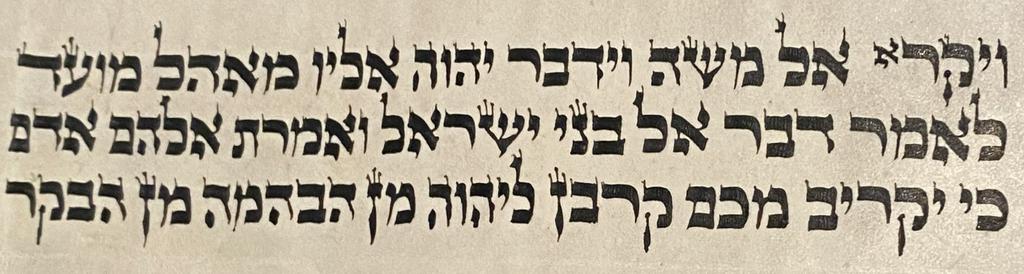
(א) וַיִּקְרָ֖א אֶל־מֹשֶׁ֑ה וַיְדַבֵּ֤ר יְהֹוָה֙ אֵלָ֔יו מֵאֹ֥הֶל מוֹעֵ֖ד לֵאמֹֽר׃ (ב) דַּבֵּ֞ר אֶל־בְּנֵ֤י יִשְׂרָאֵל֙ וְאָמַרְתָּ֣ אֲלֵהֶ֔ם אָדָ֗ם כִּֽי־יַקְרִ֥יב מִכֶּ֛ם קׇרְבָּ֖ן לַֽיהֹוָ֑ה מִן־הַבְּהֵמָ֗ה מִן־הַבָּקָר֙ וּמִן־הַצֹּ֔אן תַּקְרִ֖יבוּ אֶת־קׇרְבַּנְכֶֽם׃
Adonai called to Moses and spoke to him from the Tent of Meeting, saying: (2) Speak to the Israelite people, and say to them: When any of you presents an offering of cattle to Adonai: You shall present your offering from the herd or from the flock.
to call, call out, recite, read, cry out; to summon, invite, to call for
וַיִּקְרָ֛א יְהֹוָ֥ה אֱלֹהִ֖ים אֶל־הָֽאָדָ֑ם וַיֹּ֥אמֶר ל֖וֹ אַיֶּֽכָּה׃
The Eternal God called out to the human and said to him, “Where are you?”
וַיִּקְרָ֨א אֵלָ֜יו מַלְאַ֤ךְ יְהֹוָה֙ מִן־הַשָּׁמַ֔יִם וַיֹּ֖אמֶר אַבְרָהָ֣ם ׀ אַבְרָהָ֑ם וַיֹּ֖אמֶר הִנֵּֽנִי׃
Then a messenger of Adonai called to him from heaven: “Abraham! Abraham!” And he answered, “Here I am.”
וַיִּקָּ֥ר אֱלֹהִ֖ים אֶל־בִּלְעָ֑ם וַיֹּ֣אמֶר אֵלָ֗יו אֶת־שִׁבְעַ֤ת הַֽמִּזְבְּחֹת֙ עָרַ֔כְתִּי וָאַ֛עַל פָּ֥ר וָאַ֖יִל בַּמִּזְבֵּֽחַ׃
God became manifest to Balaam, who stated, “I have set up the seven altars and offered up a bull and a ram on each altar.”
to come near, approach, enter into, draw near
However, the word order of the {second] sentence in Hebrew is strange and unexpected. We would expect to read: adam mikem ki yakriv, “when one of you offers a sacrifice.” Instead, what it says is adam ki yakriv mikem, “when one offers a sacrifice of you.”
The essence of sacrifice, said Rabbi Shneur Zalman, is that we offer ourselves. We bring to God our faculties, our energies, our thoughts and emotions. The physical form of sacrifice – an animal offered on the altar – is only an external manifestation of an inner act. The real sacrifice is mikem, “of you.” We give God something of ourselves.
Why did they want the entire ritual of the Tabernacle? The people said to the Holy and Blessed One 'Master of the universe, the sovereigns of all the nations have a tent, a table, a menorah, incense offerings. Every king has need for those rituals in his kingdom. You are our Sovereign, our Redeemer, our Savior - should You not have all these rituals of kingship so that all the nations of the world will know that You are our Sovereign?'
The Holy and Blessed One replied: 'They who are flesh and blood need all this, but I do not need it. I have no need for food or drink and I do not require any light. My servants can testify to that; the sun and moon which illumine the whole earth-they get their light from Me." However the people continued to entreat God, so God finally said to them 'My children, if you feel this way, then do as you please, but you must do it only in accordance with My instructions..."
(א) אֲנִי יְשֵׁנָה, אָמְרָה כְּנֶסֶת יִשְׂרָאֵל לִפְנֵי הַקָּדוֹשׁ בָּרוּךְ הוּא, רִבּוֹנוֹ שֶׁל עוֹלָם אֲנִי יְשֵׁנָה מִן הַמִּצְווֹת, וְלִבִּי עֵר לִגְמִילוּת חֲסָדִים. אֲנִי יְשֵׁנָה מִן הַצְּדָקוֹת, וְלִבִּי עֵר לַעֲשׂוֹתָן. אֲנִי יְשֵׁנָה מִן הַקָּרְבָּנוֹת, וְלִבִּי עֵר לִקְרִיאַת שְׁמַע וּתְפִלָּה. אֲנִי יְשֵׁנָה מִבֵּית הַמִּקְדָּשׁ, וְלִבִּי עֵר לְבָתֵּי כְנֵסִיּוֹת וּבָתֵּי מִדְרָשׁוֹת. אֲנִי יְשֵׁנָה מִן הַקֵּץ, וְלִבִּי עֵר לַגְאֻלָּה. אֲנִי יְשֵׁנָה מִן הַגְּאֻלָּה, וְלִבּוֹ שֶׁל הַקָּדוֹשׁ בָּרוּךְ הוּא עֵר לְגָאֳלֵנִי. אָמַר רַבִּי חִיָּא בַּר אַבָּא אֵיכָן מָצִינוּ שֶׁנִּקְרָא הַקָּדוֹשׁ בָּרוּךְ הוּא לִבָּן שֶׁל יִשְׂרָאֵל, מִן הָדֵין קְרָא, דִּכְתִיב (תהלים עג, כו): צוּר לְבָבִי וְחֶלְקִי אֱלֹהִים לְעוֹלָם.
(ב) קוֹל דּוֹדִי דוֹפֵק, עַל יְדֵי משֶׁה, בְּשָׁעָה שֶׁאָמַר (שמות יא, ד): וַיֹּאמֶר משֶׁה כֹּה אָמַר ה' כַּחֲצֹת הַלַּיְלָה אֲנִי יוֹצֵא בְּתוֹךְ מִצְרָיִם. פִּתְחִי לִי, רַבִּי יַסָּא אָמַר, אָמַר הַקָּדוֹשׁ בָּרוּךְ הוּא לְיִשְׂרָאֵל, בָּנַי, פִּתְחוּ לִי פֶּתַח אֶחָד שֶׁל תְּשׁוּבָה כְּחֻדָּהּ שֶׁל מַחַט, וַאֲנִי פּוֹתֵחַ לָכֶם פְּתָחִים שֶׁיִּהְיוּ עֲגָלוֹת וּקְרוֹנִיּוֹת נִכְנָסוֹת בּוֹ. רַבִּי תַּנְחוּמָא וְרַבִּי חוּנְיָא וְרַבִּי אַבָּהוּ בְּשֵׁם רֵישׁ לָקִישׁ, כְּתִיב (תהלים מו, יא): הַרְפּוּ וּדְעוּ כִּי אָנֹכִי אֱלֹהִים וגו', אָמַר הַקָּדוֹשׁ בָּרוּךְ הוּא לְיִשְׂרָאֵל הַרְפּוּ מִמַּעֲשֵׂיכֶם הָרָעִים וּדְעוּ כִּי אָנֹכִי אֱלֹהִים. רַבִּי לֵוִי אָמַר אִלּוּ הָיוּ יִשְׂרָאֵל עוֹשִׂין תְּשׁוּבָה אֲפִלּוּ יוֹם אֶחָד, מִיָּד הֵן נִגְאָלִין, וּמִיָּד בֶּן דָּוִד בָּא, מַה טַּעַם (תהלים צה, ז): כִּי הוּא אֱלֹהֵינוּ וַאֲנַחְנוּ עַם מַרְעִיתוֹ וְצֹאן יָדוֹ הַיּוֹם אִם בְּקֹלוֹ תִשְׁמָעוּ, רַבִּי יוּדָן וְרַבִּי לֵוִי אָמְרֵי אָמַר הַקָּדוֹשׁ בָּרוּךְ הוּא לְיִשְׂרָאֵל, הַרְפּוּ מִמַּעֲשֵׂיכֶם הָרָעִים וַעֲשׂוּ תְּשׁוּבָה כְּהֶרֶף עַיִן, וּדְעוּ כִּי אָנֹכִי אֱלֹהִים. אֲחֹתִי, שֶׁנִּתְאֲחוּ לִי בְּמִצְרַיִם בִּשְׁתֵּי מִצְווֹת, בְּדַם הַפֶּסַח וּבְדַם הַמִּילָה, הֲדָא הוּא דִכְתִיב (יחזקאל טז, ו): וָאֶעֱבֹר עָלַיִךְ וָאֶרְאֵךְ מִתְבּוֹסֶסֶת בְּדָמָיִךְ וָאֹמַר לָךְ בְּדָמַיִךְ חֲיִי זֶה דַּם הַפֶּסַח, וָאֹמַר לָךְ בְּדָמַיִךְ חֲיִי זֶה דַּם הַמִּילָה. רַעְיָתִי, שֶׁרִעוּ אוֹתִי בַּיָּם וְאָמְרוּ (שמות טו, ב): זֶה אֵלִי. וְאַנְוֵהוּ, (שמות טו, יח): ה' יִמְלֹךְ לְעֹלָם וָעֶד, יוֹנָתִי, בְּמָרָה, שֶׁמִּשָּׁם נִצְטַוּוּ וְנִצְטַיְּנוּ בְּכָל הַמִּצְווֹת וּצְדָקוֹת וּמַעֲשִׂים טוֹבִים כְּיוֹנָה זוֹ שֶׁמְצֻיֶּנֶת, הֲדָא הוּא דִכְתִיב (שמות טו, כה): שָׁם שָׂם לוֹ חֹק וּמִשְׁפָּט. תַמָּתִי, תַּמּוּתִי שֶׁנִּתַּמְּמוּ עִמִּי בְּסִינַי, וְאָמְרוּ (שמות כד, ז): כֹּל אֲשֶׁר דִּבֶּר ה' נַעֲשֶׂה וְנִשְׁמָע. רַבִּי יַנַּאי אָמַר תְּאוֹמָתִי, כִּבְיָכוֹל לֹא אֲנִי גְּדוֹלָה מִמֶּנָּהּ וְלֹא הִיא גְּדוֹלָה מִמֶּנִּי. רַבִּי יְהוֹשֻׁעַ דְּסִכְנִין בְּשֵׁם רַבִּי לֵוִי תְּאוֹמָתִי מָה הַתְּאוֹמִים הַלָּלוּ אִם חוֹשֵׁשׁ אֶחָד מֵהֶן בְּרֹאשׁוֹ חֲבֵרוֹ מַרְגִּישׁ, כָּךְ כִּבְיָכוֹל אָמַר הַקָּדוֹשׁ בָּרוּךְ הוּא (תהלים צא, טו): עִמּוֹ אָנֹכִי בְצָרָה. שֶׁרֹאשִׁי נִמְלָא טָל, עַל שֵׁם (תהלים סח, ט): אֶרֶץ רָעָשָׁה אַף שָׁמַיִם נָטְפוּ. קְוֻצּוֹתַי רְסִיסֵי לָיְלָה, עַל שֵׁם שֶׁנֶּאֱמַר (שופטים ה, ד): גַּם עָבִים נָטְפוּ מָיִם.
The Holy Blessed One said to Israel: My children, open for Me one opening like the eye of the needle, and I will open for you an opening so large that wagons and carriages can enter through it.
That's what a korban was: a way of drawing closer. Our ancestors took it as a given that everything in creation belongs to God. Given that everything we own and everything we don't own already belongs to the Holy Blessed One, what can we offer to God such that the act of offering it will draw us closer together?