


Approximately 639-609 BCE
(י) וַיַּגֵּ֞ד שָׁפָ֤ן הַסֹּפֵר֙ לַמֶּ֣לֶךְ לֵאמֹ֔ר סֵ֚פֶר נָ֣תַן לִ֔י חִלְקִיָּ֖ה הַכֹּהֵ֑ן וַיִּקְרָאֵ֥הוּ שָׁפָ֖ן לִפְנֵ֥י הַמֶּֽלֶךְ׃
(10) The scribe Shaphan also told the king, “The high priest Hilkiah has given me a scroll”; and Shaphan read it to the king.
(יא) וַֽיְהִי֙ כִּשְׁמֹ֣עַ הַמֶּ֔לֶךְ אֶת־דִּבְרֵ֖י סֵ֣פֶר הַתּוֹרָ֑ה וַיִּקְרַ֖ע אֶת־בְּגָדָֽיו׃
(11) When the king heard the words of the scroll of the Teaching, he rent his clothes.
...
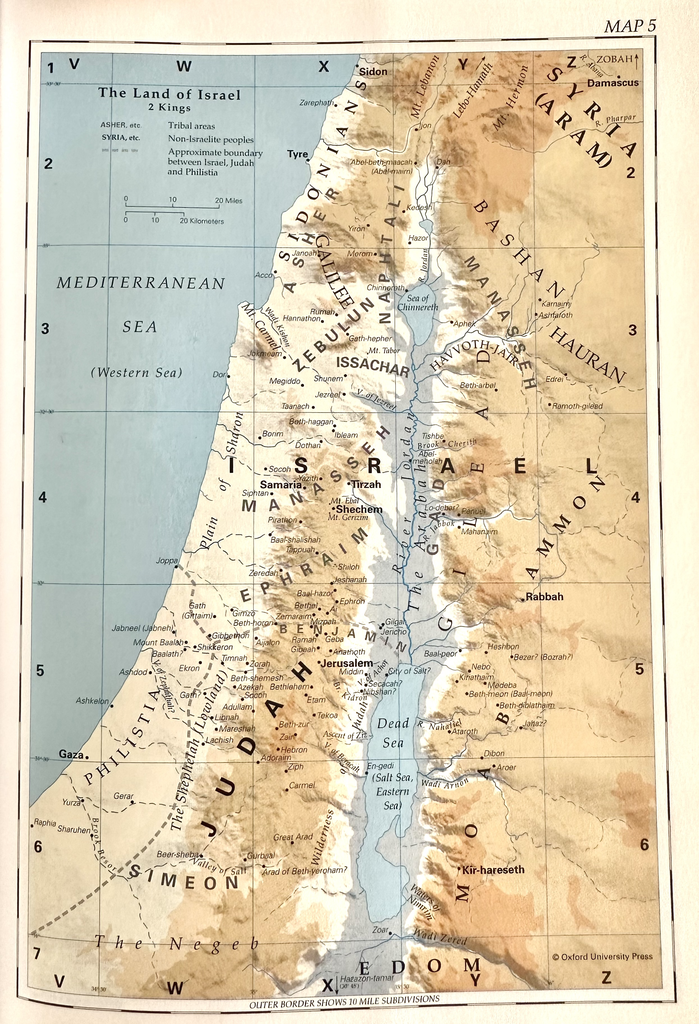
(יד) וַיֵּ֣לֶךְ חִלְקִיָּ֣הוּ הַ֠כֹּהֵ֠ן וַאֲחִיקָ֨ם וְעַכְבּ֜וֹר וְשָׁפָ֣ן וַעֲשָׂיָ֗ה אֶל־חֻלְדָּ֨ה הַנְּבִיאָ֜ה אֵ֣שֶׁת ׀ שַׁלֻּ֣ם בֶּן־תִּקְוָ֗ה בֶּן־חַרְחַס֙ שֹׁמֵ֣ר הַבְּגָדִ֔ים וְהִ֛יא יֹשֶׁ֥בֶת בִּירוּשָׁלַ֖͏ִם בַּמִּשְׁנֶ֑ה וַֽיְדַבְּר֖וּ אֵלֶֽיהָ׃
(14) So the priest Hilkiah, and Ahikam, Achbor, Shaphan, and Asaiah went to the prophetess Huldah—the wife of Shallum son of Tikvah son of Harhas, the keeper of the wardrobe—who was living in Jerusalem in the Mishneh, and they spoke to her.
...
(טז) כֹּ֚ה אָמַ֣ר יהוה הִנְנִ֨י מֵבִ֥יא רָעָ֛ה אֶל־הַמָּק֥וֹם הַזֶּ֖ה וְעַל־יֹֽשְׁבָ֑יו אֵ֚ת כׇּל־דִּבְרֵ֣י הַסֵּ֔פֶר אֲשֶׁ֥ר קָרָ֖א מֶ֥לֶךְ יְהוּדָֽה׃
(16) Thus said GOD: I am going to bring disaster upon this place and its inhabitants, in accordance with all the words of the scroll that the king of Judah has read.
(יז) תַּ֣חַת ׀ אֲשֶׁ֣ר עֲזָב֗וּנִי וַֽיְקַטְּרוּ֙ לֵאלֹהִ֣ים אֲחֵרִ֔ים לְמַ֙עַן֙ הַכְעִיסֵ֔נִי בְּכֹ֖ל מַעֲשֵׂ֣ה יְדֵיהֶ֑ם וְנִצְּתָ֧ה חֲמָתִ֛י בַּמָּק֥וֹם הַזֶּ֖ה וְלֹ֥א תִכְבֶּֽה׃
(17) Because they have forsaken Me and have made offerings to other gods and provoked My anger with all their deeds, My wrath is kindled against this place and it shall not be quenched.
...
וַיֹּצֵ֣א אֶת־הָאֲשֵׁרָה֩ מִבֵּ֨ית יהוה מִח֤וּץ לִירֽוּשָׁלַ֙͏ִם֙ אֶל־נַ֣חַל קִדְר֔וֹן וַיִּשְׂרֹ֥ף אֹתָ֛הּ בְּנַ֥חַל קִדְר֖וֹן וַיָּ֣דֶק לְעָפָ֑ר וַיַּשְׁלֵךְ֙ אֶת־עֲפָרָ֔הּ עַל־קֶ֖בֶר בְּנֵ֥י הָעָֽם׃
[King Josiah] brought out the [image of] Asherah from the House of the LORD to the Kidron Valley outside Jerusalem, and burned it in the Kidron Valley; he beat it to dust and scattered its dust over the burial ground of the common people.
וַיִּתֹּץ֙ אֶת־בָּתֵּ֣י הַקְּדֵשִׁ֔ים אֲשֶׁ֖ר בְּבֵ֣ית יהוה אֲשֶׁ֣ר הַנָּשִׁ֗ים אֹרְג֥וֹת שָׁ֛ם בָּתִּ֖ים* לָאֲשֵׁרָֽה׃
He tore down the cubicles of the male prostitutes in the House of the LORD, at the place where the women wove coverings* for Asherah.
*The meaning of this word is debated.
Spindle; Akhzib; Iron Age II, 8th-6th century BCE; Bone; L: 6.7; Diam: 3 cm; Israel Antiquities Authority; IAA: 1948-491
https://www.imj.org.il/en/collections/372785-0
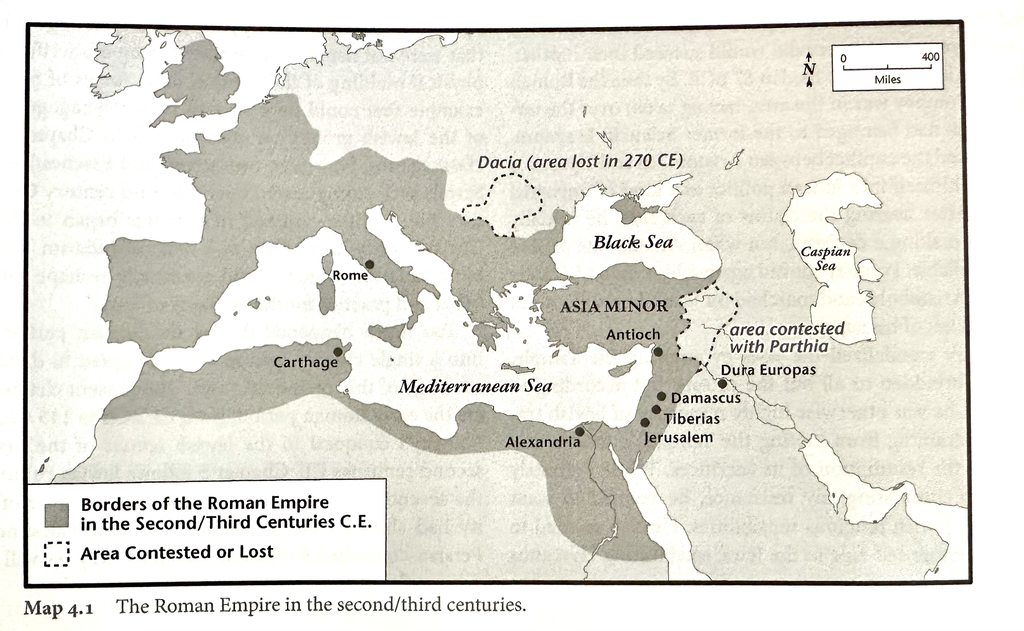
Approximately early 100s CE
The story of II Baruch takes place in the time of the destruction of the First Temple. He mourns the Temple and curses the priests. While despairing in the ruins of the Temple, Baruch witnesses an angel visit the Holy of Holies. The angel removes a number of items, including the woven veil that divided the Holy of Holies from the rest of the Temple. The angel then buries the items deep in the earth and tells other angels to destroy Jerusalem. After God’s presence leaves the temple, people of the city leaves–but God tells Baruch to stay. (ibid., 161).
Canonized in 220 CE, began composition in 63 CE
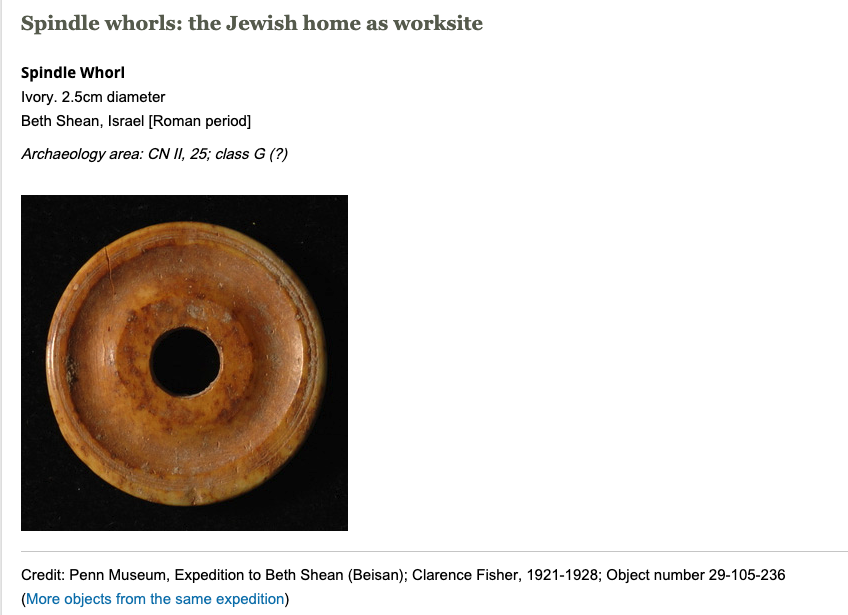
(ה) אֵלּוּ מְלָאכוֹת שֶׁהָאִשָּׁה עוֹשָׂה לְבַעְלָהּ, טוֹחֶנֶת, וְאוֹפָה, וּמְכַבֶּסֶת, מְבַשֶּׁלֶת, וּמֵנִיקָה אֶת בְּנָהּ, מַצַּעַת לוֹ הַמִּטָּה, וְעוֹשָׂה בַצֶּמֶר. הִכְנִיסָה לוֹ שִׁפְחָה אַחַת, לֹא טוֹחֶנֶת, וְלֹא אוֹפָה וְלֹא מְכַבֶּסֶת. שְׁתַּיִם, אֵינָהּ מְבַשֶּׁלֶת וְאֵינָהּ מֵנִיקָה אֶת בְּנָהּ. שָׁלֹשׁ, אֵינָהּ מַצַּעַת לוֹ הַמִּטָּה וְאֵינָהּ עוֹשָׂה בַצֶּמֶר. אַרְבָּעָה, יוֹשֶׁבֶת בַּקַּתֶּדְרָא. רַבִּי אֱלִיעֶזֶר אוֹמֵר, אֲפִלּוּ הִכְנִיסָה לוֹ מֵאָה שְׁפָחוֹת, כּוֹפָהּ לַעֲשׂוֹת בַּצֶּמֶר, שֶׁהַבַּטָּלָה מְבִיאָה לִידֵי זִמָּה. רַבָּן שִׁמְעוֹן בֶּן גַּמְלִיאֵל אוֹמֵר, אַף הַמַּדִּיר אֶת אִשְׁתּוֹ מִלַּעֲשׂוֹת מְלָאכָה, יוֹצִיא וְיִתֵּן כְּתֻבָּתָהּ, שֶׁהַבַּטָּלָה מְבִיאָה לִידֵי שִׁעֲמוּם:
(5)And these are tasks that a wife must perform for her husband: She grinds wheat into flour, and bakes, and washes clothes, cooks, and nurses her child, makes her husband’s bed, and makes thread from wool by spinning it. If she brought him one maidservant, i.e., brought the maidservant with her into the marriage, the maidservant will perform some of these tasks. Consequently, the wife does not need to grind, and does not need to bake, and does not need to wash clothes. If she brought him two maidservants, she does not need to cook and does not need to nurse her child if she does not want to, but instead may give the child to a wet nurse. If she brought him three maidservants, she does not need to make his bed and does not need to make thread from wool. If she brought him four maidservants, she may sit in a chair [katedra] like a queen and not do anything, as her maidservants do all of her work for her. Rabbi Eliezer says: Even if she brought him a hundred maidservants, he can compel her to make thread from wool, since idleness leads to licentiousness. Consequently, it is better for a woman to be doing some kind of work. Rabban Shimon ben Gamliel says: Even one who vows that his wife is prohibited from doing any work must divorce her and give her the payment for her marriage contract, since idleness leads to idiocy.
וְאֵלּוּ יוֹצְאוֹת שֶׁלֹּא בִכְתֻבָּה, הָעוֹבֶרֶת עַל דַּת מֹשֶׁה וִיהוּדִית. וְאֵיזוֹ הִיא דַּת מֹשֶׁה, מַאֲכִילָתוֹ שֶׁאֵינוֹ מְעֻשָּׂר, וּמְשַׁמַּשְׁתּוֹ נִדָּה, וְלֹא קוֹצָה לָהּ חַלָּה, וְנוֹדֶרֶת וְאֵינָהּ מְקַיֶּמֶת. וְאֵיזוֹהִי דַת יְהוּדִית, יוֹצְאָה וְרֹאשָׁהּ פָּרוּעַ, וְטוֹוָה בַשּׁוּק, וּמְדַבֶּרֶת עִם כָּל אָדָם. אַבָּא שָׁאוּל אוֹמֵר, אַף הַמְקַלֶּלֶת יוֹלְדָיו בְּפָנָיו. רַבִּי טַרְפוֹן אוֹמֵר, אַף הַקּוֹלָנִית. וְאֵיזוֹ הִיא קוֹלָנִית, לִכְשֶׁהִיא מְדַבֶּרֶת בְּתוֹךְ בֵּיתָהּ וּשְׁכֵנֶיהָ שׁוֹמְעִין קוֹלָהּ:
And these are examples of women who may be divorced without payment of their marriage contract: A woman who violates the precepts of Moses, i.e., halakha, or the precepts of Jewish women, i.e., custom. The Mishna explains: And who is categorized as a woman who violates the precepts of Moses? This includes cases such as when she feeds him food that has not been tithed, or she engages in sexual intercourse with him while she has the legal status of a menstruating woman, or she does not separate a portion of dough to be given to a priest [ḥalla], or she vows and does not fulfill her vows. And who is considered a woman who violates the precepts of Jewish women? One who, for example, goes out of her house, and her head, i.e., her hair, is uncovered; or she spins wool in the public marketplace; or she speaks with every man she encounters. Abba Shaul says: Also one who curses his, i.e., her husband’s, parents in his presence. Rabbi Tarfon says: Also a loud woman. And who is defined as a loud woman? When she speaks inside her house and her neighbors hear her voice.
הַמּוֹשִׁיב אֶת אִשְׁתּוֹ חֶנְוָנִית אוֹ שֶׁמִּנָּהּ אַפּוֹטְרוֹפָּא, הֲרֵי זֶה מַשְׁבִּיעָהּ כָּל זְמָן שֶׁיִּרְצֶה. רַבִּי אֱלִיעֶזֶר אוֹמֵר, אֲפִלּוּ עַל פִּלְכָּהּ וְעַל עִסָּתָהּ:
If there is one who establishes his wife as a storekeeper in his store, or if he appointed her as a steward to handle his property and workers, this one, i.e., the husband, can administer an oath to her, having her state that she did not appropriate any of his possessions, whenever he wants. Rabbi Eliezer says: He can administer an oath even with regard to the products of her spindle and for her dough, which are matters related to the household, and not her function as a storekeeper.
Terminology and methods for weaving and spinning is featured in the Tanach.
וְעָשִׂ֕יתָ אֵ֖ת חֲצַ֣ר הַמִּשְׁכָּ֑ן לִפְאַ֣ת נֶֽגֶב־תֵּ֠ימָ֠נָה קְלָעִ֨ים לֶחָצֵ֜ר שֵׁ֣שׁ מׇשְׁזָ֗ר מֵאָ֤ה בָֽאַמָּה֙ אֹ֔רֶךְ לַפֵּאָ֖ה הָאֶחָֽת׃
You shall make the enclosure of the Tabernacle: On the south side, a hundred cubits of hangings of fine twisted linen for the length of the enclosure on that side—
וּלְשַׁ֨עַר הֶֽחָצֵ֜ר מָסָ֣ךְ ׀ עֶשְׂרִ֣ים אַמָּ֗ה תְּכֵ֨לֶת וְאַרְגָּמָ֜ן וְתוֹלַ֧עַת שָׁנִ֛י וְשֵׁ֥שׁ מׇשְׁזָ֖ר מַעֲשֵׂ֣ה רֹקֵ֑ם עַמֻּֽדֵיהֶם֙ אַרְבָּעָ֔ה וְאַדְנֵיהֶ֖ם אַרְבָּעָֽה׃
and for the gate of the enclosure, a screen of twenty cubits, of blue, purple, and crimson yarns, and fine twisted linen, done in embroidery, with their four posts and their four sockets.
וְהִ֖יא הֶעֱלָ֣תַם הַגָּ֑גָה וַֽתִּטְמְנֵם֙ בְּפִשְׁתֵּ֣י הָעֵ֔ץ הָעֲרֻכ֥וֹת לָ֖הּ עַל־הַגָּֽג׃
Now she had taken them up to the roof and hidden them under some stalks of flax which she had lying on the roof.—