


“ Rabboisai!”, he bellowed.
“The Gemara in Megilla 12b says that Mordechai was called ‘Ben Kish’ ‘the son of the knocker’ because Mordechai would knock on the gates of mercy and they would open for him.
תָּנָא...״בֶּן קִישׁ״ — שֶׁהִקִּישׁ עַל שַׁעֲרֵי רַחֲמִים וְנִפְתְּחוּ לוֹ.
A Sage taught the following baraita...“the son of Kish” because he knocked [hikish] on the gates of mercy and they were opened to him.
Now, I don’t think this rabbi - who turned out to be Rav Moshe Mordechai Weiss - was advocating for us to stay for the next maariv (although some people there might have needed to), but his spontaneous speech has stayed with me for years.
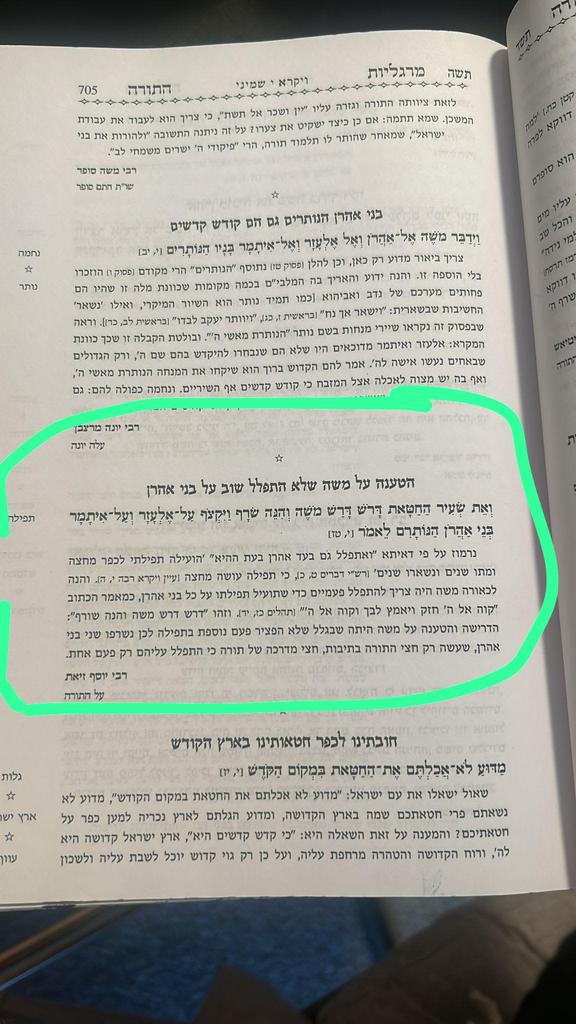
In this week's parsha Moshe found himself in a situation where prayer was of the essence. Aharons sons were decreed to die because of a sin.
Moshe, davened for Hashem to have mercy on them, and because of his tefilla, Hashem saved two of them but the other two were killed by Hashems decree.
The Medrash (Vayikra Rabbah 10,5 brought in Rashi to Devarim 9:20) says that indeed, one tefilla can sometimes only accomplish half of the desired result of the petitioner, and since Moshe only davened once for Aharon's sons, his tefillah helped to save two of them, but the other the two sons of Aharon died.
רַבִּי יְהוֹשֻׁעַ בֶּן לֵוִי אָמַר תְּשׁוּבָה עָשְׂתָה אֶת הַכֹּל וּתְפִלָּה עָשְׂתָה מֶחֱצָה...
עַל דַּעְתֵּיהּ דְּרַבִּי יְהוֹשֻׁעַ בֶּן לֵוִי דְּאָמַר תְּפִלָּה עָשְׂתָה מֶחֱצָה, מִמִי אַתָּה לָמֵד מֵאַהֲרֹן, שֶׁבַּתְּחִלָּה נִגְזְרָה גְזֵרָה עָלָיו, שֶׁנֶּאֱמַר (דברים ט, כ): וּבְאַהֲרֹן הִתְאַנַּף ה' מְאֹד לְהַשְׁמִידוֹ, אָמַר רַבִּי יְהוֹשֻׁעַ דְּסִכְנִין בְּשֵׁם רַבִּי לֵוִי אֵין הַשְׁמָדָה אֶלָּא כִּלּוּי בָּנִים, כְּמָה דְאַתְּ אָמַר (עמוס ב, ט): וָאַשְׁמִיד פִּרְיוֹ מִמַּעַל וְשָׁרָשָׁיו מִתָּחַת, כֵּיוָן שֶׁהִתְפַּלֵּל משֶׁה עָלָיו נִמְנְעָה מִמֶּנּוּ חֲצִי הַגְּזֵרָה, מֵתוּ שְׁנַיִם וְנִשְׁתַּיְּירוּ שְׁנַיִם, הֲדָא הוּא דִכְתִיב (ויקרא ח, כ): קַח אֶת אַהֲרֹן וְאֶת בָּנָיו אִתּוֹ.
Rabbi Yehoshua ben Levi said: Repentance accomplishes it all and prayer accomplishes half...
According to the opinion of Rabbi Yehoshua ben Levi, who said that prayer accomplishes half, from whom do you derive it? It is from Aaron, as initially an edict was decreed against him, as it is stated: “The Lord was very angry with Aaron to destroy him [and I prayed for Aaron, too, at that time]” (Deuteronomy 9:20). Rabbi Yehoshua of Sikhnin said in the name of Rabbi Levi: Destruction is nothing other than the eradication of children, just as it says: “I destroyed his fruit from above and his roots from below” (Amos 2:9). Since Moses prayed on his behalf, half the edict was withheld from him; two [of Aarons sons] died and two remained. That is what is written: “Take Aaron, and his sons with him.”
So, the next time you take three steps back at the end of Shemoneh Esrei, don't think it's too late to whisper another prayer.
It might be the finishing piece that completes your request.
Shabbat Shalom!