

There is a mitzvah to hold your tzitzis during the recitation of Krias Shema. While some mistakenly view this as merely a "nice minhag" (custom), it is actually a Halacha stated in the Shulchan Aruch (whose roots are found in a Midrash Shocher Tov, see Be'er HaGolah)

(ב) מצוה לאחוז הציצית ביד שמאלית כנגד לבו בשעת קריאת שמע רמז לדבר והיו הדברים האלה וגו' על לבבך:
(2) It is a מצוה to grasp the ציצית with one's left hand near one's heart while reciting Kriyat Shema. This is alluded to [in the verse] "And these words shall be...on your heart."
There is another mitzvah to look at your tzitzis.
(ב) להסתכל בציצית דכתיב (במדבר ט״ו:ל״ט) וראיתם אותו: ועשייתו אפרש בעזרת השם יתעלה לקמן (סימן לא):
1. Right before donning your Tallis. (Shulchan Aruch 24,4)
(ג) טוב להסתכל בציצית בשעת עטיפה כשמברך:
(3) It is good to look at the ציצית while donning them, when you say the blessing.
(ד) יש נוהגין להסתכל בציצית כשמגיעים לוראיתם אותו וליתן אותם על העינים ומנהג יפה הוא וחבובי מצוה:
(4) Some have a custom to look at their ציצית when they reach [the verse] "And you shall see them," and to place them on their eyes. This is a beautiful custom and [a way of] showing love for the מצוה.
Kissing ones Tzitzis is not a mitzvah, but it is brought down as a good thing to do because it shows one’s endearment towards the mitzvah.
(ד) הגה גם נוהגים קצת לנשק הציצית בשעה שרואה בם והכל הוא חבוב מצוה [ב"י]:
(4) Rem"a: Some also have the custom of kissing their ציצית when they look at them, and all of this is [a way of] showing love for the מצוה (Beit Yosef).
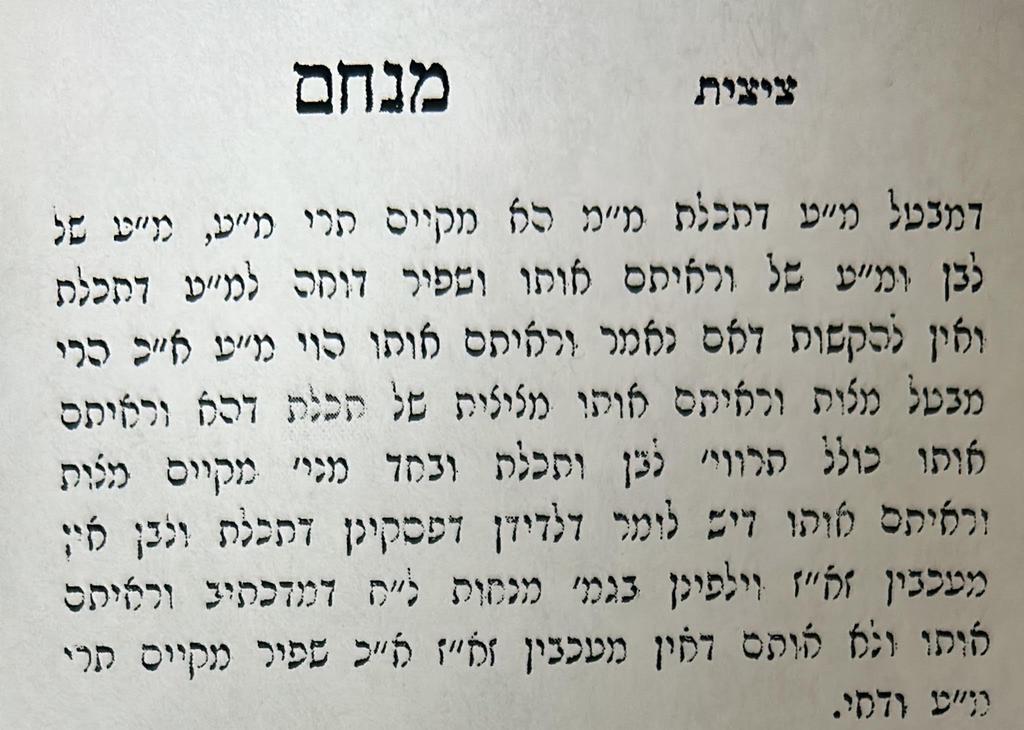
Chofetz Chaim says that looking at one’s tzitzis at periodic intervals throughout the day is a great way to stay on course to behave according to the way of the Torah and seek out to perform mitzvos.
Pro tip: Looking at your Tzitzis can be a powerful way to banish an impure thought from your head or help you calm down from becoming angry. Kav HaYashar (Chapter 45) writes that there were great people who would sometimes just gaze at their tzitzis, (and he calls it an “inyan gadol”, a great thing.
...וְכִדְמָצִינוּ בְּעֵרוּבִין פֶּרֶק "בַּכֹּל מְעָרְבִין": רַבִּי זֵירָא כִּי הֲוָה חַלָּשׁ, הֲוֵי אָזִיל וְיָתִיב אַפִּתְחָא דְּרַבִּי יוּדָא בַּר רַבִּי אַמִּי. אָמַר: כִּי נַפְקֵי וְעַיְלֵי רַבָּנָן — אֵקוּם מַקַּמַּיְהוּ, כְּדֵי שֶׁלֹּא יְהֵא בָּטֵל מֵהַמִּצְווֹת.
וְכֵן קַבָּלָה הִיא בְּיָדַי מִן אַנְשֵׁי מַעֲשֶׂה, שֶׁאִם הָיוּ יוֹשְׁבִים בְּטֵלִים מִן הַמִּצְווֹת — הָיוּ מְמַשְׁמְשִׁים בַּצִּיצִית וְהָיוּ מִסְתַּכְּלִין בָּהֶן, כִּי הַהִסְתַּכְּלוּת בַּצִּיצִית הִיא עִנְיָן גָּדוֹל וּתְקוּמָה אֶל הַשְּׁכִינָה בַּגָּלוּת. וְהַיּוֹדְעִים סוֹד יִחוּד בַּקַּבָּלָה, מְכַוְּנִין בְּשֵׁם אֶחָד גָּדוֹל וְנוֹרָא, שֶׁהוּא גִּימַטְרִיָּא עַיִ"ן, וּבָזֶה הֵם יוֹצְאִים אַף בִּזְמַן הַזֶּה סוֹד מִצְוַת תְּכֵלֶת בַּצִּיצִית.
...Thus we find in Eiruvin (28b) that when Rabbi Zeira was too weak to study he would sit near the entrance to the yeshivah of Rabbi Yuda bar Ami so that he would be able to rise before the scholars as they entered and not be entirely devoid of mitzvos.
I have also been told by men of great deeds, that when they are unable to perform a mitzvah they feel their tzitziyos and gaze at them because gazing at the tzitzis is is in itself a lofty matter that causes the Shechinah to be elevated in the midst of the exile. Those who understand the Kabbalistic principle of “unification” have in mind as they gaze at their tzitzis a certain great and awesome Divine name, the numerical value of which is equal to the word ayin — “eye.” Through this they are able to fulfill the concept behind the blue thread of the tzitzis even today.
(א) והיה לכם לציצת... והנה מצוה על כל מי שיש לו בגד בארבע כנפים שיתכסה בו ביום תמיד ולא יסירנו מעליו למען יזכרו והמתפללים בטלית בשעת התפלה יעשו זה בעבור שיקראו בקריאת שמע "והיה לכם לציצית" "ועשו להם ציצית."
רק לפי דעתי יותר הוא חייב להתעטף בציצית בשאר השעות משעת התפלה למען יזכור ולא ישגה ולא יעשה עבירה בכל שעה כי בשעת התפלה לא יעשה עבירה:
(1) AND IT SHALL BE UNTO YOU FOR A FRINGE. ...Now this commandment states that everyone who has a four-cornered garment shall always cover himself with it during the day. He shall not remove it so that he remember the commandments. Those who pray with a tallit during the time of prayers do so because they read in the shame, "And it shall be unto you for a fringe" (v. 39) and "that they make them throughout their generations fringes" (v. 38).
However, I believe that one is more obligated to enwrap oneself in fringes when he is not at prayer than during the time of prayer, so that he remembers the commandments and does not err and trespass during the other hours of the day, for in the hour of prayer he will not sin.
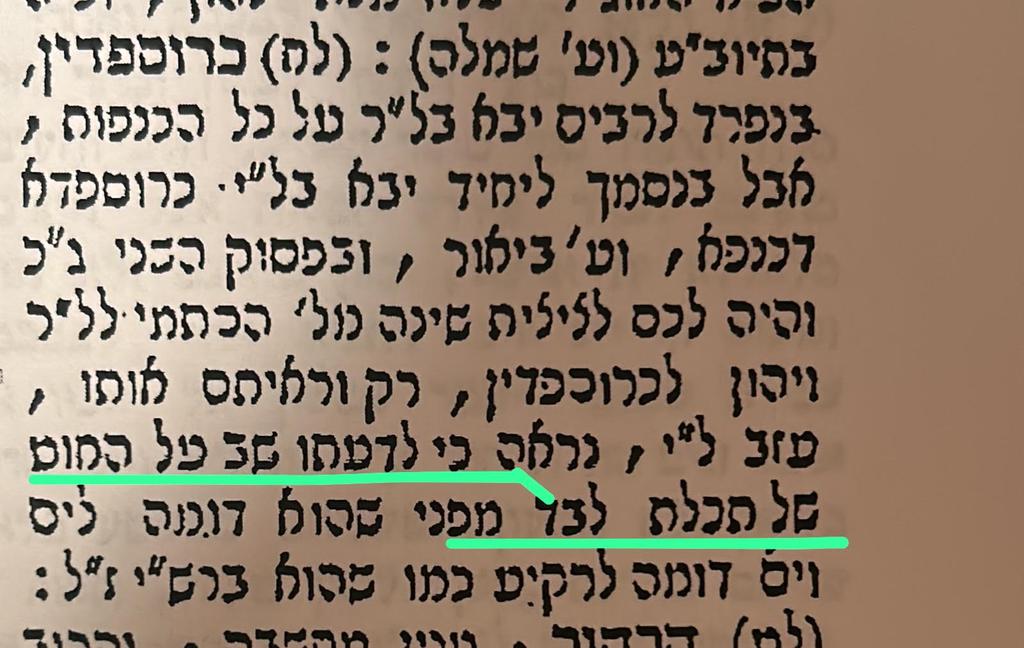
It would seem that the way Onkelos renders the passuk of "You shall see it" to be referring to the techeiles specifically (as Lechem V'Simla understands Onkelos), that this answer would not align.