


The passuk says: "Come, blessed of the Lord..." (Bereishis 24,31)
On the surface, Lavan was being polite and showing gratitude by blessing the person who found his sister a shidduch (after 3 grueling years of her being on the market).
But the Medrash reveals that this “blessing” was a transformational turning point for Eliezer.
Rabbi Yosei ben Dosa said: Because he [Eliezer] faithfully served that righteous man [Avraham], he emerged from the ranks of the “cursed” and entered the ranks of the “blessed”.
The Medrash continues that Rabbi Yaakov, in the name of Rabbi Yoḥanan of Beit Guvrin, would use Rav Yosei’s explanation as a springboard for a parting statement to a host he had stayed by:
"If Eliezer's faithful service could elevate him from cursed to blessed, how much more so will the people of Israel, who perform kindness for both great and humble members of society, be blessed!"
Rabbi Moshe Hillel Glazer (MayAtzei HaKetaf, 2009 edition) asks, the comparison between Eliezer serving Avraham and people of Israel serving great people is straightforward, but what is the connection to serving the lesser members of society?
He answers, that when Eliezer went to find a wife for Yitzchak, it wasn't an easy task of service. Secretly, he wanted Yitzchak to marry his own daughter.
Despite this personal desire, Eliezer pushed through and earnestly searched for and found a wife for Yitzchak.
This task proved that throughout his tenure as Avraham’s servant, his service wasn't about personal gain or proximity to greatness, but pure, unconditional loyalty.
It is this nuance of Eliezer’s service to Avraham that the Medrash is connect to serving the “lesser members” of society.
So, while the grand moments of public philanthropy are no doubt appreciated and necessary, it’s that quiet, almost imperceptible tap of a credit card for an anonymous fundraiser where true blessing resides.
Good Shabbos!
---
אָמַר רַבִּי יוֹסֵי בֶּן רַבִּי דוֹסָא כְּנַעַן הוּא אֱלִיעֶזֶר, וְעַל יְדֵי שֶׁשֵּׁרַת אוֹתוֹ צַדִּיק בֶּאֱמוּנָה יָצָא מִכְּלַל אָרוּר לִכְלַל בָּרוּךְ...
אָמַר רַבִּי יַעֲקֹב בְּשֵׁם רַבִּי יוֹחָנָן דְּבֵית גּוּבְרִין עֲבַד לֵהּ אַפְטָרָה, וּמָה אִם אֱלִיעֶזֶר עַל יְדֵי שֶׁשֵׁרַת אֶת הַצַּדִּיק בֶּאֱמוּנָה יָצָא מִכְּלַל אָרוּר לִכְלַל בָּרוּךְ, יִשְׂרָאֵל שֶׁעוֹשִׂין חֶסֶד עִם גְּדוֹלֵיהֶם וְעִם קְטַנֵּיהֶם בִּידֵיהֶם וְרַגְלֵיהֶם, עַל אַחַת כַּמָּה וְכַמָּה.
Rabbi Yosei ben Dosa said: Canaan28Canaan was cursed by Noah (Genesis 9:25). and Eliezer were one and the same, and because he faithfully served that righteous man [Abraham], he emerged from the ranks of the cursed and entered the ranks of the blessed...
Rabbi Yaakov said in the name of Rabbi Yoḥanan of Beit Guvrin, who would use this as a parting statement: If Eliezer, by means of faithfully serving that righteous man, emerged from the ranks of the cursed and entered the ranks of the blessed, then the people of Israel, who perform acts of kindness for their greater and lesser members with their hands and their feet, all the more so.
...אָמַר רַבִּי יוֹסֵי בֶּן דּוֹסָא אֱלִיעֶזֶר הוּא כְּנַעַן וְעַל יְדֵי שֶׁשִּׁמֵּשׁ אוֹתוֹ צַדִּיק יָצָא מִכְּלַל אָרוּר וּבָא לִכְלַל בָּרוּךְ, הֲדָא הוּא דִכְתִיב (בראשית ט, כה): וַיֹּאמֶר אָרוּר כְּנָעַן, וּכְתִיב (בראשית כד, לא): בּוֹא בְּרוּךְ ה'.
רַבִּי יַעֲקֹב בְּשֵׁם רַבִּי יְהוּדָה בְּשֵׁם רַבִּי נָתָן דְּבֵית גוּבְרִין עָבֵיד לְהוֹ נְטִילַת רְשׁוּת, וּמָה אֱלִיעֶזֶר יָצָא מִכְּלַל אָרוּר לִכְלַל בָּרוּךְ עַל יְדֵי שֶׁשִּׁמֵּשׁ אוֹתוֹ צַדִּיק, אַחֵינוּ יִשְׂרָאֵל שֶׁנּוֹהֲגִין כָּבוֹד עִם גְּדוֹלֵיהֶם עַל אַחַת כַּמָּה וְכַמָּה,
Rabbi Yosei ben Dosa said: Eliezer is Canaan.24Eliezer, the servant of Abraham (see Genesis 15:2), was a Canaanite. But because he served that righteous one, he emerged from the category of cursed and came into the category of blessed. That is what is written: “He said: Cursed is Canaan” (Genesis 9:25), and it is written: “Come, blessed of the Lord” (Genesis 24:31).25This was stated by Lavan to the servant of Abraham, identified by the Sages as Eliezer.
Rabbi Yaakov in the name of Rabbi Yehuda in the name of Rabbi Natan of Beit Guvrin employed this in requesting to take his leave. (When taking leave of his host or an important individual, he would mention this comment.) If Eliezer emerged from the category of cursed and came into the category of blessed because he served that righteous one; our brethren, Israel, who honor their prominent leaders, all the more so. Therefore, Moses cautions Israel: “When you will come to the land of Canaan.”

The Medrash in Bereishis is highlighting a lesson about the characterisitics of true chesed. As Rabbi Glazer explained, what made Eliezer's chesed especially noteworthy was its complete authenticity.
Therefore, the Midrash emphasizes here that he served Avraham "with faithfulness" like a servant performing the will of his master, regardless of whether it is what he enjoys or not. So too, our kindness be with faithfulness to do the will of Hashem, and not for any selfish motives.
As an extension to doing kindness solely because of Hashem's will, our kindness should to all members of society, regardless of their status , and therefore the Medrash adds "with the greater of society and the lesser of society."
Another extension to this attitude, is that we should even engage in physical labor, like transporting furniture to a family in need, working "with our hands and feet," even when such tasks which we might deem to be "beneath us."
In short, the Medrash in Bereishis is teaching us that true chesed seeks no recognition or reward ("with faithfulness") doesn't discriminate between recipients ("the greater and lesser members of society"), and doesn't shy away from demanding physical work ("with their hands and feet"), because chesed performed solely for the sake of Heaven elevates a person beyond chesed that he is "comfortable" with or that makes him "feel good", rather represents chesed in its most elevated form.
(Perhaps these characterisitics of chesed are important to emphasize for one to do because this type of chesed mirrors the chesed that Hashem does with the world, as Hashem does chesed even with the lowest beings without the need for "applause", and His kindnesses are hidden.)
נטילת רשות כשנפטר מאכסנאי והיה רוצה ליטול רשות ממנו והיה המנהג לפטור בדברי תורה שבו נכלל ברכה לאכסנאי. כהאי עובדא דאמרו חז"ל באושא בחזית פסוק הביאני וגו':
בְּשִׁלְפֵי הַשְּׁמַד נִתְכַּנְסוּ רַבּוֹתֵינוּ לְאוּשָׁא, וְאֵלּוּ הֵן: רַבִּי יְהוּדָה וְרַבִּי נְחֶמְיָה, רַבִּי מֵאִיר וְרַבִּי יוֹסֵי וְרַבִּי שִׁמְעוֹן בֶּן יוֹחָאי וְרַבִּי אֱלִיעֶזֶר בְּנוֹ שֶׁל רַבִּי יוֹסֵי הַגְּלִילִי וְרַבִּי אֱלִיעֶזֶר בֶּן יַעֲקֹב.
שָׁלְחוּ אֵצֶל זִקְנֵי הַגָּלִיל וְאָמְרוּ כָּל מִי שֶׁהוּא לָמֵד יָבוֹא וִילַמֵּד, וְכָל מִי שֶׁאֵינוֹ לָמֵד יָבוֹא וְיִלְמוֹד.
נִתְכַּנְּסוּ וְלָמְדוּ וְעָשׂוּ כָּל צָרְכֵיהוֹן, כֵּיוָן שֶׁהִגִּיעַ זְמַנָּם לְהִפָּטֵר, אָמְרוּ מָקוֹם שֶׁנִּתְקַבַּלְנוּ בְּתוֹכוֹ אָנוּ מַנִּיחִים אוֹתוֹ רֵיקָם, חָלְקוּ כָּבוֹד לְרַבִּי יְהוּדָה שֶׁהָיָה בֶּן עִיר, וְלֹא שֶׁהָיָה גָּדוֹל מֵהֶם בַּתּוֹרָה אֶלָּא מְקוֹמוֹ שֶׁל אָדָם הוּא מְכַבְּדוֹ.
נִכְנַס רַבִּי יְהוּדָה וְדָרַשׁ...
מִכָּאן לָמַדְנוּ שֶׁכָּל מִי שֶׁמְקַבֵּל פְּנֵי חֲבֵרִים כְּאִלּוּ מְקַבֵּל פְּנֵי שְׁכִינָה, וְאַתֶּם אַחֵינוּ רַבּוֹתֵינוּ גְּדוֹלֵי הַתּוֹרָה מִי שֶׁנִּצְטַעֵר בָּכֶם עֲשָׂרָה מִיל אוֹ עֶשְׂרִים אוֹ שְׁלשִׁים אוֹ אַרְבָּעִים כְּדֵי לִשְׁמֹעַ דִּבְרֵי תוֹרָה עַל אַחַת כַּמָּה וְכַמָּה שֶׁאֵין הַקָּדוֹשׁ בָּרוּךְ הוּא מְקַפֵּחַ שְׂכַרְכֶם בָּזֶה וּבַבָּא.
At the end of the persecution (After the death of Hadrian, emperor of Rome, who had outlawed Torah study and made other repressive decrees, and who had crushed the Bar Kokhva revolt. These events occured between the years 133-138 CE) our Rabbis assembled in Usha; they were: Rabbi Yehuda, Rabbi Neḥemya, Rabbi Meir, Rabbi Yosei, Rabbi Shimon ben Yoḥai, Rabbi Eliezer son of Rabbi Yosei HaGelili, and Rabbi Eliezer ben Yaakov.
They sent to the elders of the Galilee and said: ‘Anyone who is learned, let him come and teach, and anyone who is not learned, let him come and study.’
They assembled, studied, and did everything that they needed to do. When the time arrived to take their leave, they said: ‘Are we to leave empty the place in which we were received?’ (Will we leave without honoring and expressing our appreciation for the residents of the host city?) They accorded honor to Rabbi Yehuda, who was a resident of the city; not that he was greater than they were in Torah, but rather because a person’s place entitles him to honor.
Rabbi Yehuda entered and expounded...
From here we have learned that anyone who welcomes Torah scholars, it is as though he received the Divine Presence. You, our brethren, our Rabbis, Torah luminaries, those of you who suffered [by traveling] ten mil, or twenty, or thirty, or forty, in order to hear matters of Torah, all the more so that the Holy One blessed be He will not withhold your reward in this [world] and in the [World] to Come.
With this historical context, it makes a lot of sense why the Rabbis were expresssing such thanks to the people who were hosting them and were being generous, since as we see, they were in need of some stability in which to teach and dissemninate Torah.
As Etz Yosef connects the Medrash in Vayikra to this Medrash in Shir HaShirim, the idea of the Medrash is about expressing gratitude and empowering citizens to have respect for the rabbis, because even though they are dispalced, it is important to have respect for Torah scholars in order for the Torah mesorah to continuw to flourish.
This is why the emphasis of the Medrash in Vayikra is about "showing honor" to the Rabbis, and that's also why the emphasis is on"the great people" because it was this characterisitic of showing honor to great people even when they are in displacements that is so important to the continuity of Torah and the Jewish people. And the usage of "Our brothers" is used in the Medrash to connect to the Medrash in Shir HaShirim that uses that language in how the Rabbis addressed their hosts, that they saw them as their brothers and welcomed them with open arms and showed them honor.
In summary: The Medrash in Bereishis is focusing on encouraging Klal Yisrael as a whole how to do kindness in the most wholsesome way, just as Eliezer did. Whereas the Medrash in Vayikra is being used in a more "dated" context as to encourage the civilians who were hosting the Rabbis of these perilious times to realize that they were doing an amazing thing by hosting great rabbis, not ti brag for themselves, but to stress to them that they are doing a great thing by having them and supporting the continuithy of Torah.
According to the Doros HaRishonim, two critical periods marked severe challenges to Jewish scholarly authority.
1. The first occurred after the Churban Bayis Sheini (70 CE), when Jews lost their central religious center.
2. The second, even more severe period followed the fall of Beitar to the Romans (133 CE), resulting in the complete loss of Jewish control over Israel.
Prior to the Churban, Rabbi Yochanan ben Zakai made a pivotal request to Emperor Vespasian (r. 69-79 CE) to preserve Yavne and its sages. This established a crucial center of Torah leadership for the uncertain period following the Temple's destruction. (See Introduction to the Talmud p. 336, footnote 107)
However, this stability proved temporary. After Titus's brief reign (79-81 CE), his brother Domitian assumed power and demonstrated hostility toward the Yavne academy, even attempting to assassinate its leader, Rabban Gamliel.
Consequently, between 86-96 CE, the rabbis of Yavne maintained a low profile and relocated their activities to Usha and other locations throughout Eretz Yisrael.
Only after Nerva succeeded Domitian (briefly) did the scholars return to Yavne, deeming it safe to resume their established rabbinic activities.
The second major disruption in the establishment of the Rabbis occurred following the Bar Kochba revolution (circa 133 CE).
In 117 CE Hadrian took reign and inaugurated, at first an atmosphere of tolerance towards the Jews. However, at some point he did an about-face and became extremely anti-semetic, and imposed many decrees to destroy Judaism and formulated a plan to turn Yerushalayim into a Greek polis model, and put a shrine on the site of the Beis HaMikdash.
These maneuvers led to a revolt by the Jewish people, known as the "Bar Kochba revolution", which began in full force in 132 CE.
Although the Jews were successful in their advances against the Romans, Hadrian ultimately prevailed and crushed the revolt, and in 135 CE the city of Yerushlayim fell into the hands of the Romans.
The Doros HaRishonim explicitly states that the period after the Bar Kochba revolution was crushed had an even greater impact on Jewish scholarship than that of the immediate post-Temple era.
The meforshim on the Midrash place the narrative in Shir HaShirim Rabba specifically in this post-Bar Kochba period, when Beitar fell to Roman control, and as mentioned above, the Etz Yosef connects the Medrash in Shir HaShirim to the Medrash in Vayikra.
During this tumultuous period, the rabbis operated without established infrastructure, relying heavily on the goodwill of communities who welcomed them and provided spaces for teaching and scholarship.
Their ability to maintain and transmit Torah knowledge depended significantly on these civilian hosts who offered both physical accommodation and platforms for scholarly discourse.
Following their visits to these communities, the rabbis made a point of expressing profound gratitude to their hosts, emphasizing the sacred nature of their hospitality. They wanted these benefactors to understand that by showing respect to displaced Torah scholars, they were participating in something far greater than mere hospitality – they were helping to preserve the chain of Torah transmission during a critical historical juncture.
(See History of the Jewish People, Yavne to Pumpedisa Chapters 7 and 11, and Two Thousand Years of History, Schloss pp. 6-7. See also Crash Course in Jewish History, Rabbi Ken Spiro, Chapters 34 through 36)
And the term "Our brothers Yisrael" appears only in the Medrash in Vaykira (not in Bereishis), as it does in the Medrash in Shir HaShirim, where this term was used by the rabbis viewed their hosts who welcomed them warmly, and not as distant strangers, but as people who are important to them.
The minor differences in word choice and emphasis actually points to two entirely separate messages, each carefully crafted for its specific context and audience.
The Midrash in Bereishis presents a universal lesson, using Eliezer's actions as an archetype for performing chesed in its most elevated form. It speaks to all of Klal Yisrael across time, teaching the fundamental principles of how to perform acts of kindness with pure intention and complete dedication.
In contrast, the Midrash in Vayikra emerges as a response to a particular historical crisis, speaking directly to those communities who opened their doors to displaced scholars during a period of unprecedented challenge to Torah scholarship. Its message was immediate and practical: to help these hosts recognize that their seemingly simple acts of hospitality were, in fact, crucial links in preserving the chain of Torah transmission during one of Jewish history's most precarious moments.
Doros HaRishonim 1 (4) p. 162
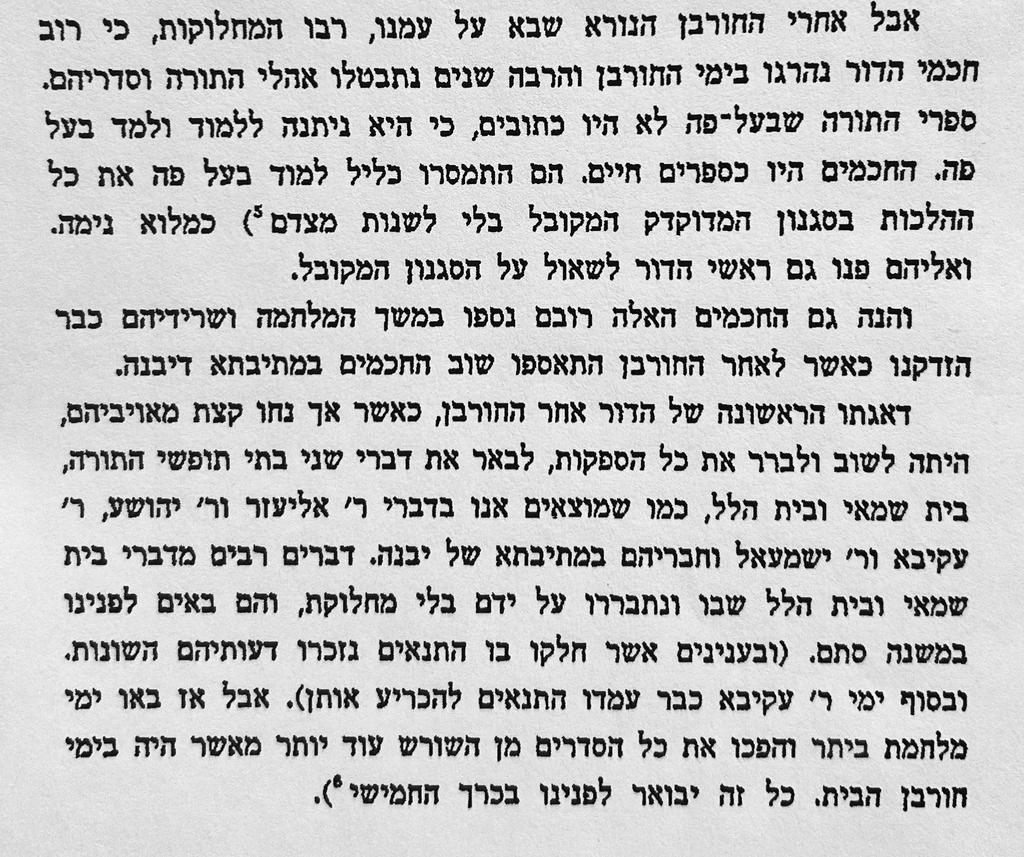
I think that Medrash in Vayikra is discussing the social situation in the time period after the the Destruction of the Beis HaMikdash, (meforshim include this period under the Gemara's statement "From Yavne to Usha..." (Rosh HaShana 31b).
The Etz Yosef is pointing to the idea found in Shir HaShirim which is discussing the social situation after the Bar Kochba revolt.
In fact, the author of the "springboard" statement in the Medrash in Vayikra is Rav Yaakov, who was a sage in the academy led by Rabban Shimon ben Gamliel, known as the Sanhedrin of Usha, which was the post-Destruction era.
----
Another difference between the two statements is who the authors are.
In the Medrash in Bereishis it is Rav Yaakov in the name of Rav Yochanan of Beis Guvrin. In the Medrash in Vayikra it is in the name of Rav Yaakov in the name of Rabbi Yehuda in the name of Rabbi Nassan. These names are imporatant because, as we will see, the history of each of them may have contributed to them being the ones saying this statement.
Rav Yaakov
In the essay there, Rav Yaakov is recorded to have foiled a plot to weaken the authority of Rabban Shimon ben Gamliel during that precarious time in history, see Horyos 13b) - and that fits great with his statement here which is also in defense of the honor of the Rabbis during this time period!
Rav Nassan
Rav Nassan was influential in the period after the Bar Kochba revolt. (Introduction to the Talmud p. 397-398) It is reported that Rav Nassan used to travel often to far flung cities to offer guidance and render halachic decisions, which also fits that he would have been quoted to have said this statement to his many hosts over the years.
Also, Rav Nassan also displayed his deference to the rule of the Nasi, during the period of social upheaval, see Horayos 13b, about "Yeish Omrim" and the difference between his reaction to the dream to appease Rabban Gamliel and versus Rav Meir's reaction
----
The tannaim speaking in the Shir HaShirim Rabbah are later tannaim. For example, R' Elazar ben Rav Yosi HaGelili was a later tanna, as Rav Yosi HaGelili himself was contemporary of the time period after the destruction of the Beis HaMikdash. (see Introduction of the Talmud, page 350)

Beis Guvrin is approxiamtely 100 miles from Shafar'am. Perhaps Rav Nassan lived in Beis Guvrin at the time he said the statement in the Medrash, but already relocated to Shafar'am in the Gemara in Horyos.
